
A tip vault, an eventful counter, and a delegatecall proxy: three callable EVM contracts in 31 bytes of 5/7/5/7/7-byte phrases, tested with Wake.
Glossary definition
The Ethereum Virtual Machine is the deterministic execution environment that applies smart contract bytecode and state changes consistently across Ethereum nodes.
The Ethereum Virtual Machine (EVM) was created by Gavin Wood and Greg Colvin. The EVM is a quasi-Turing-complete system that manages the deployment and execution of smart contracts. The number of computations a transaction can perform is limited by gas, which is why the EVM is described as quasi-Turing-complete.
Older Ethereum roadmaps proposed replacing the EVM with eWASM after the move to proof of stake. That did not happen: the 2022 Merge changed Ethereum’s consensus mechanism, while the EVM remains its execution environment.
Used in context
A tip vault, an eventful counter, and a delegatecall proxy: three callable EVM contracts in 31 bytes of 5/7/5/7/7-byte phrases, tested with Wake.
Which frontier model audits EVM code best, where coding agents get fuzz tests wrong, and running a security company without Google Workspace: ack3's talks in Mumbai.

Google and Janelia released the complete fruit-fly connectome on 3 September. Wired to the Daedaluzz mazes beside Echidna and Wake, how far does it get?
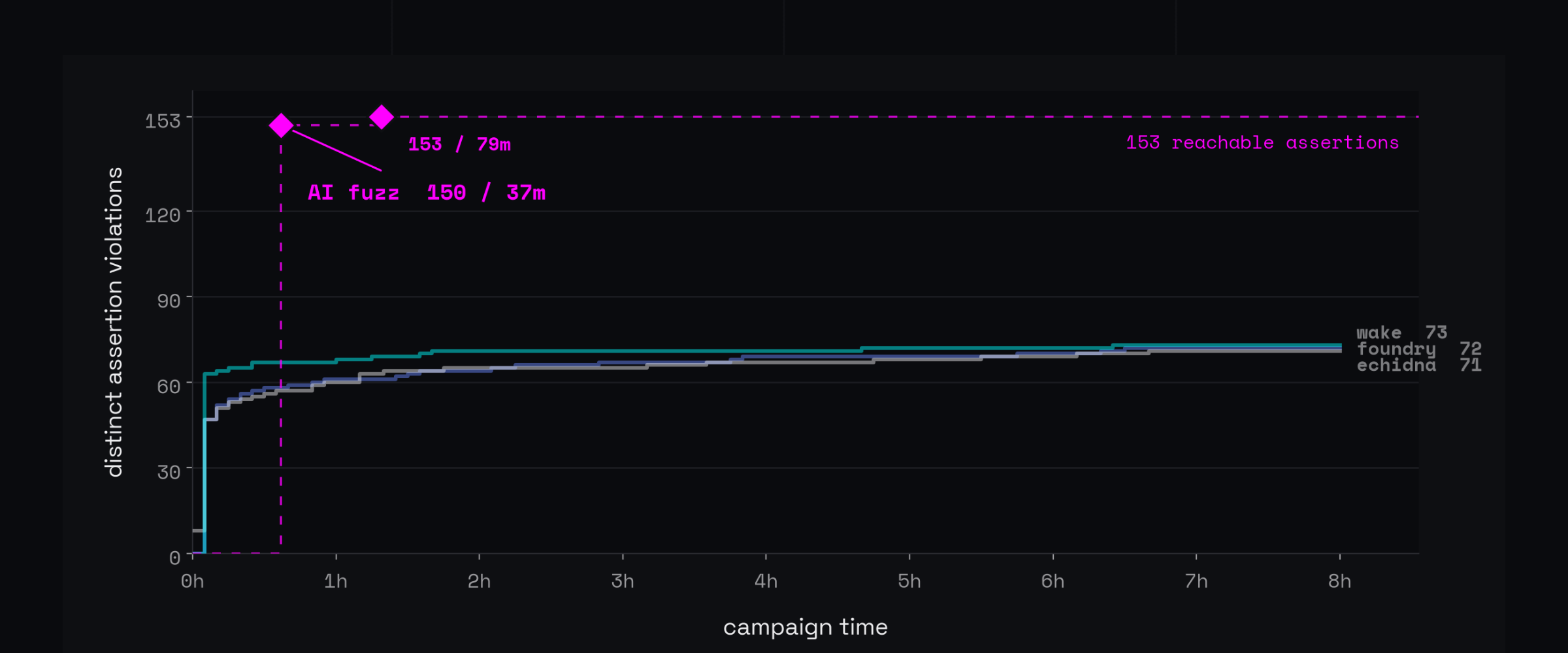
Three EVM fuzzers ran eight hours per maze against 153 reachable Daedaluzz assertions; an agent-written harness ran once. The deciding variable was not speed.
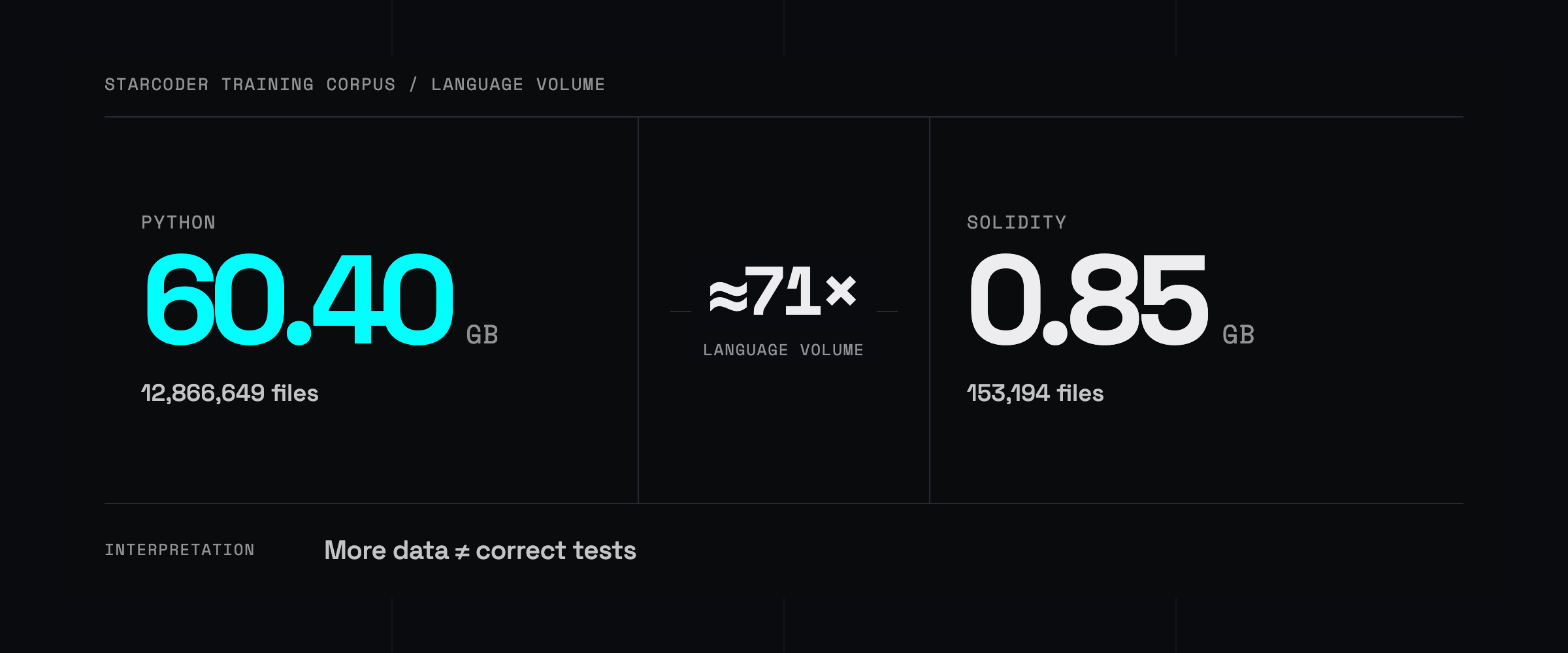
Code corpora and current benchmarks show why AI-assisted Solidity tests benefit from Python, while human review stays focused on test logic.
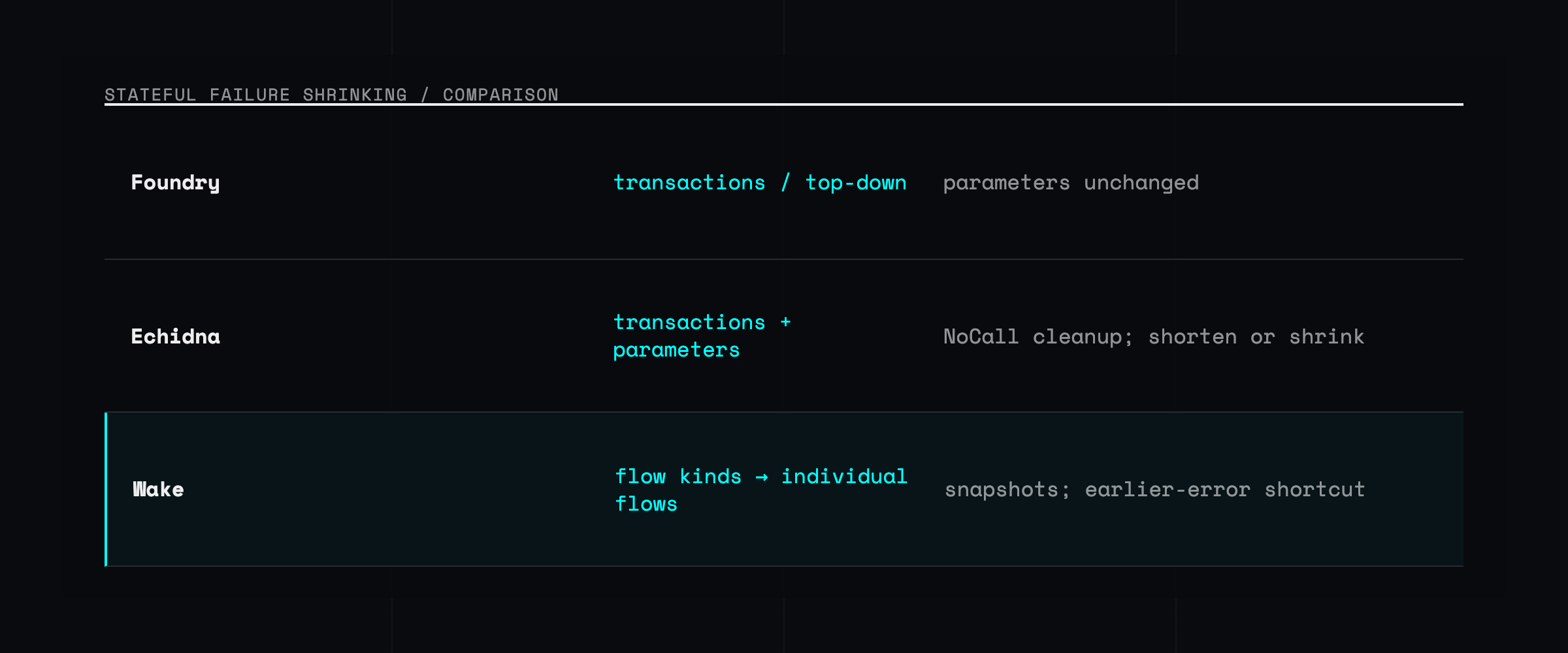
Comparing how Foundry, Echidna, and Wake shrink fuzzing failures. Learn which tool offers the best balance of speed, precision, and debugging clarity.
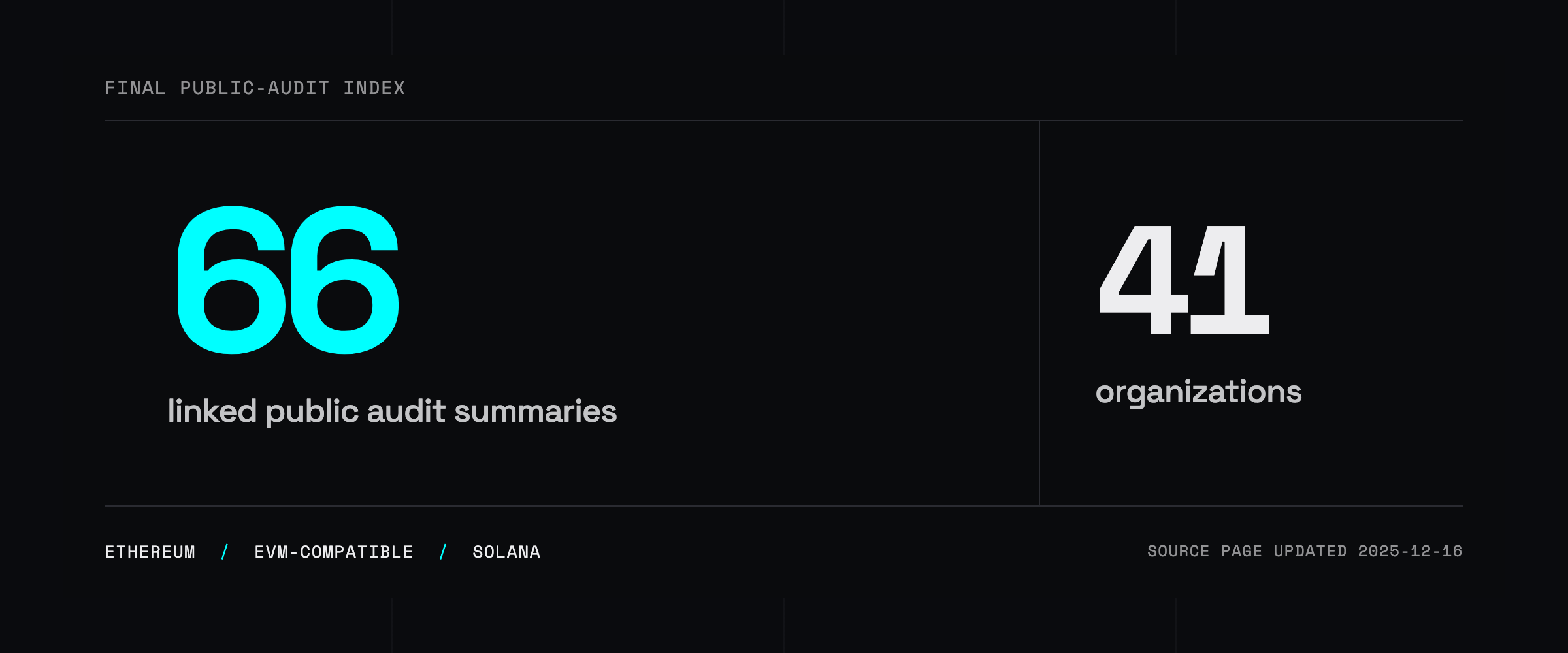
An archived index of Ackee Blockchain public Ethereum, EVM, and Solana audit summaries, covering 41 organizations and 66 linked entries.