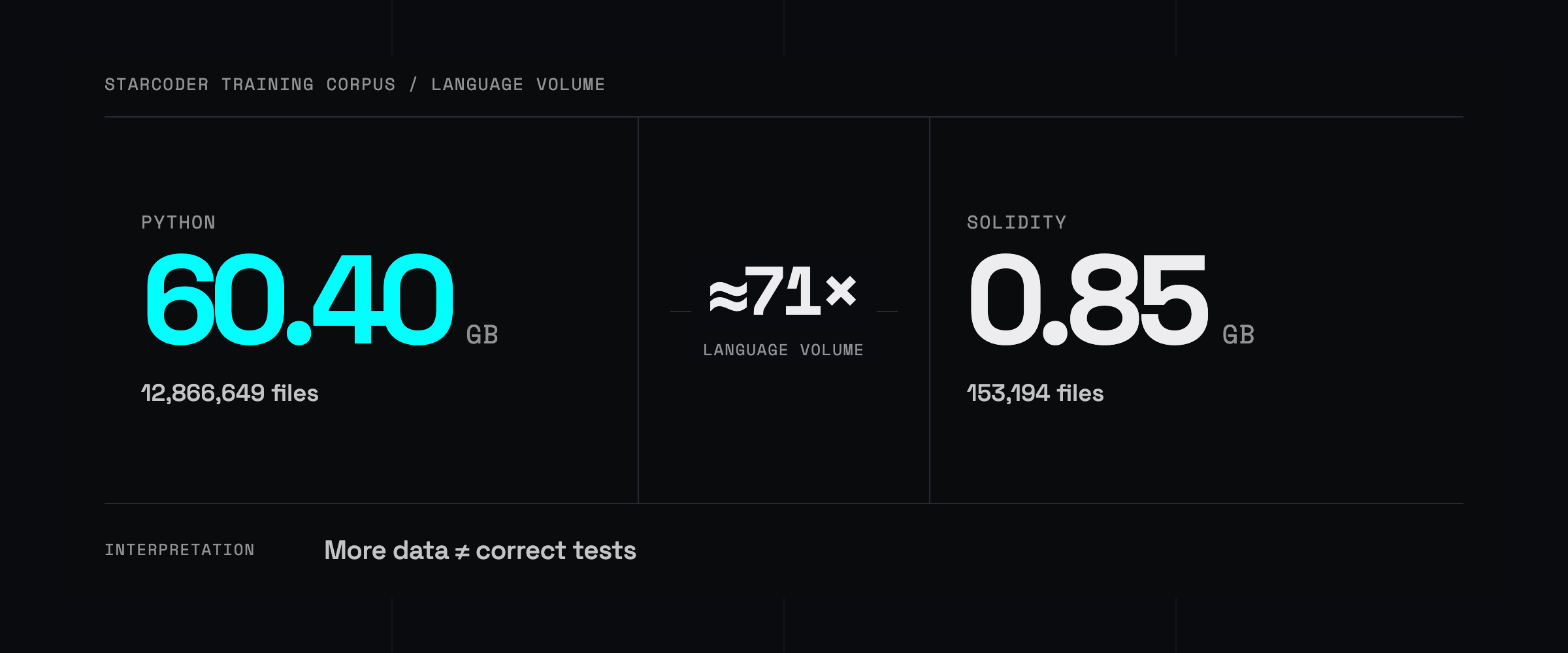
Code corpora and current benchmarks show why AI-assisted Solidity tests benefit from Python, while human review stays focused on test logic.
Glossary definition
A smart contract is a program deployed to a blockchain whose state-changing functions execute under the network's deterministic consensus rules.
Nick Szabo first defined the term smart contract in 1994. That was 14 years before the invention of Bitcoin, and there has long been speculation in Bitcoin circles that Nick Szabo might be Satoshi Nakamoto.
Today, the term smart contract is associated with blockchain technology. A smart contract is code deployed to a blockchain network. Its predefined conditions and rules execute a specific action when those conditions are fulfilled. A deployment may be immutable, or it may be upgradeable through a proxy or another governance mechanism; deployment alone does not make code unchangeable.
An example of a smart contract in DeFi is a lending market: when a user deposits collateral into the contract, the protocol may allow that user to borrow up to a defined percentage of the collateral’s value.
Used in context
Code corpora and current benchmarks show why AI-assisted Solidity tests benefit from Python, while human review stays focused on test logic.
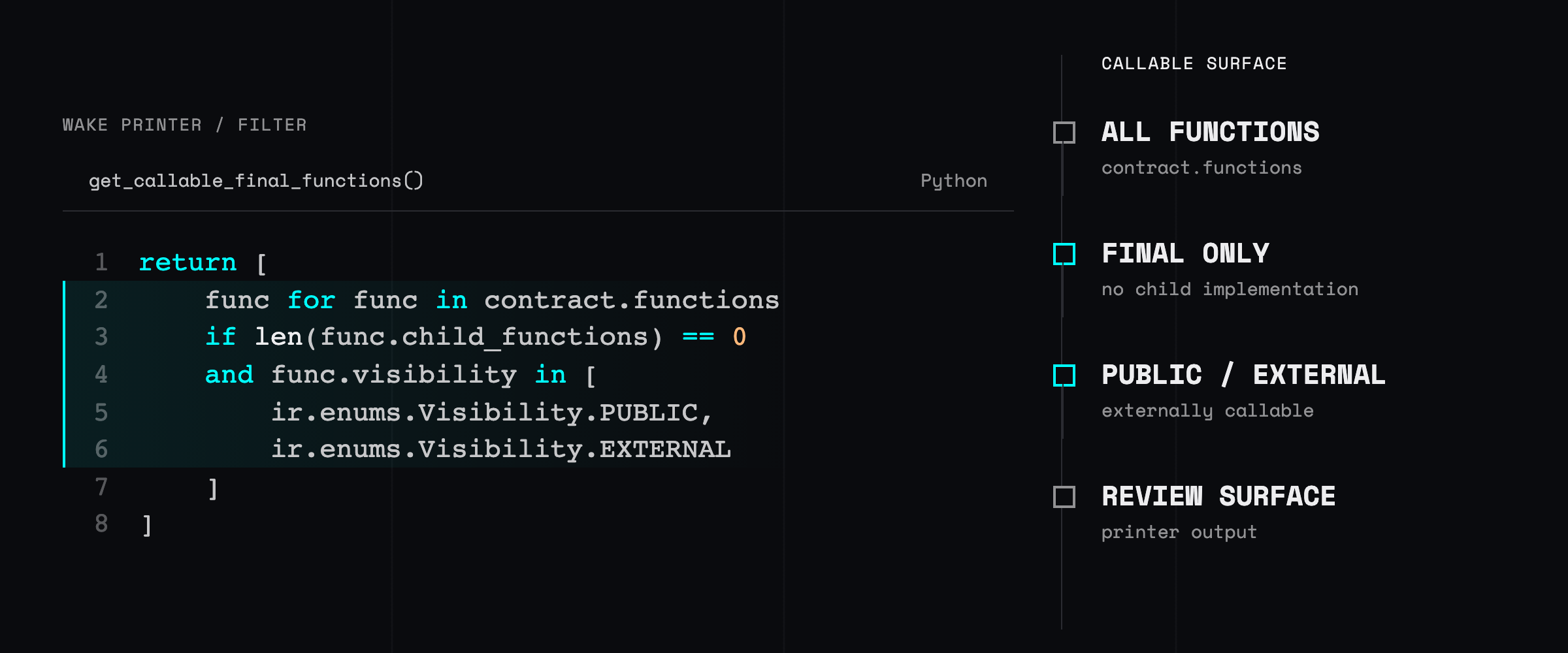
Learn how to build custom Wake printers for smart contract analysis, uncover vulnerabilities, and speed up Solidity security reviews.
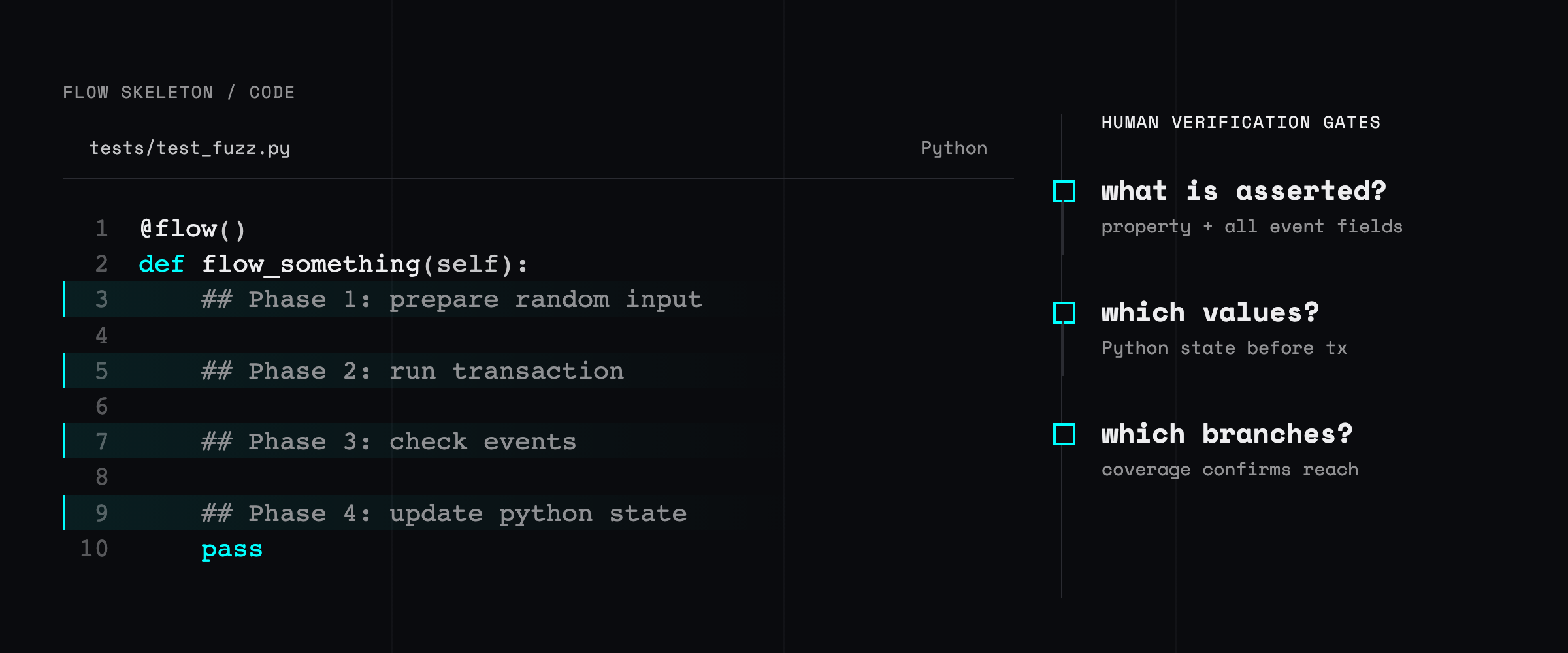
Boost smart contract security with AI-guided fuzz testing in Wake. Learn what to automate, what to verify, and how to write effective tests in Python.
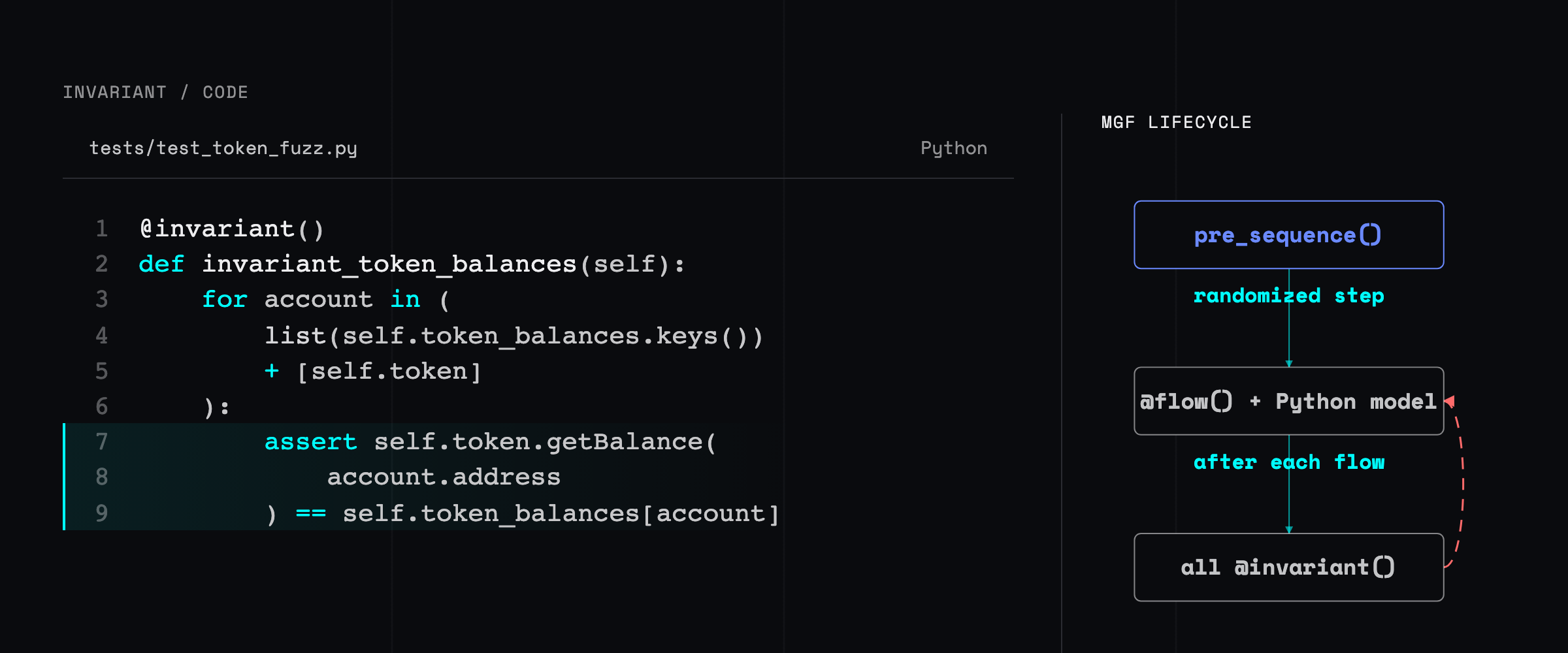
Learn Manually Guided Fuzzing (MGF) with the Wake framework to find critical smart contract vulnerabilities through systematic testing and defined invariants.
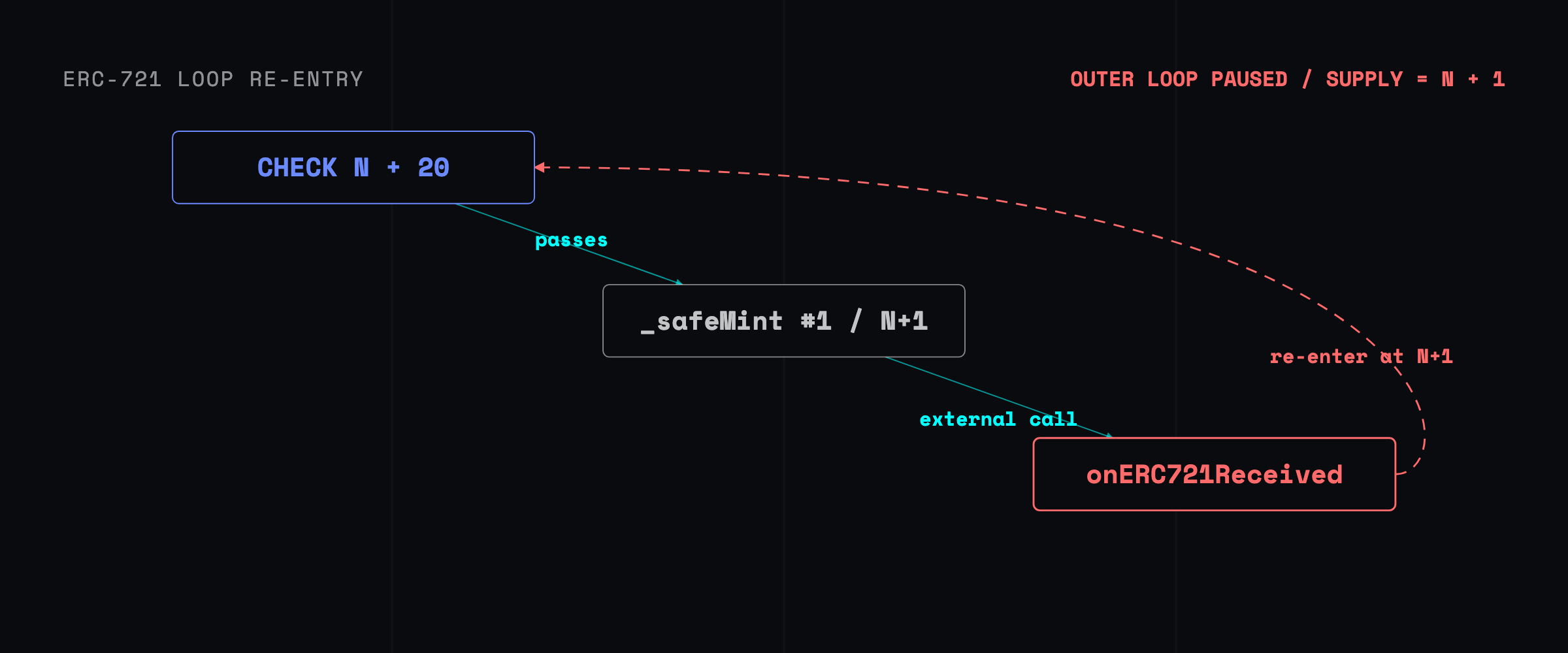
In this article, we'll examine how attackers can manipulate the _safeMint function's external call to bypass minting limits and drain NFT collections.
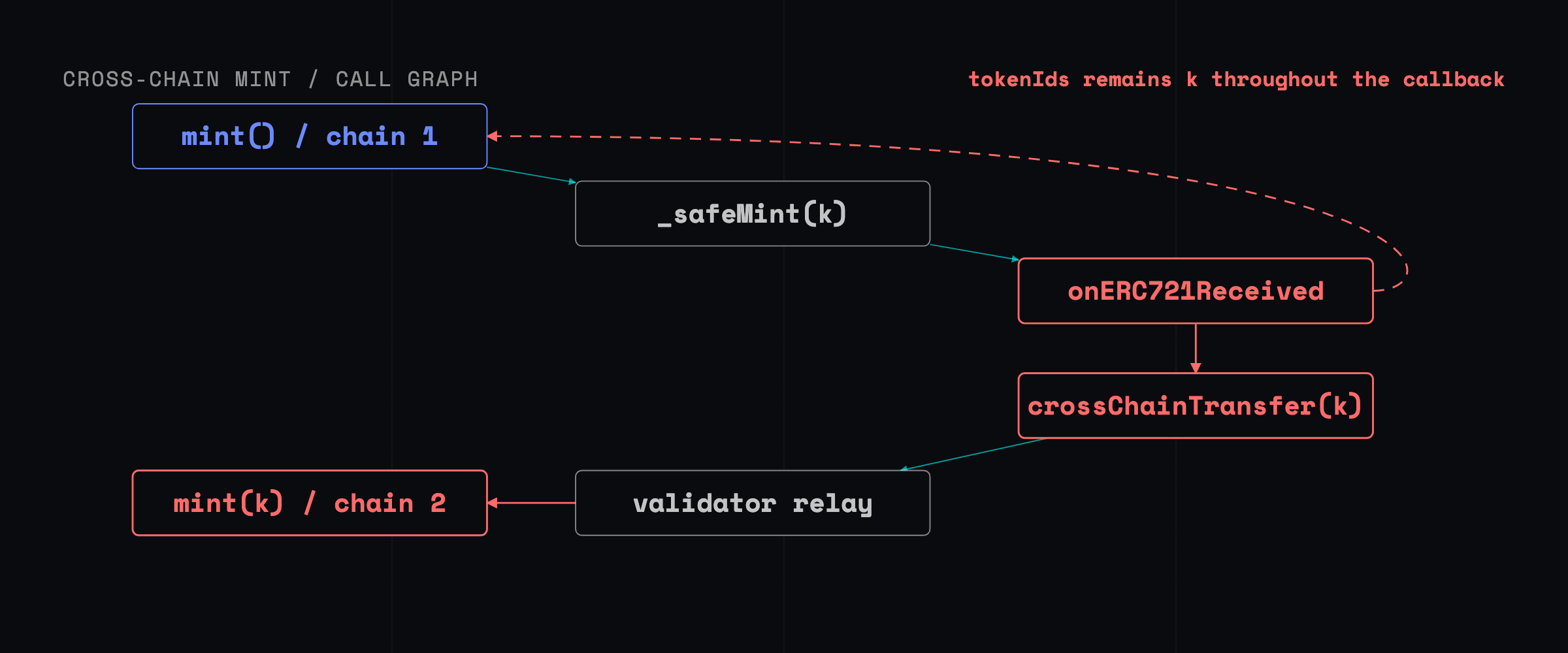
A cross-chain reentrancy attack is an exploit that targets smart contract function calls. Learn about this vulnerability to keep your code safe from attackers.
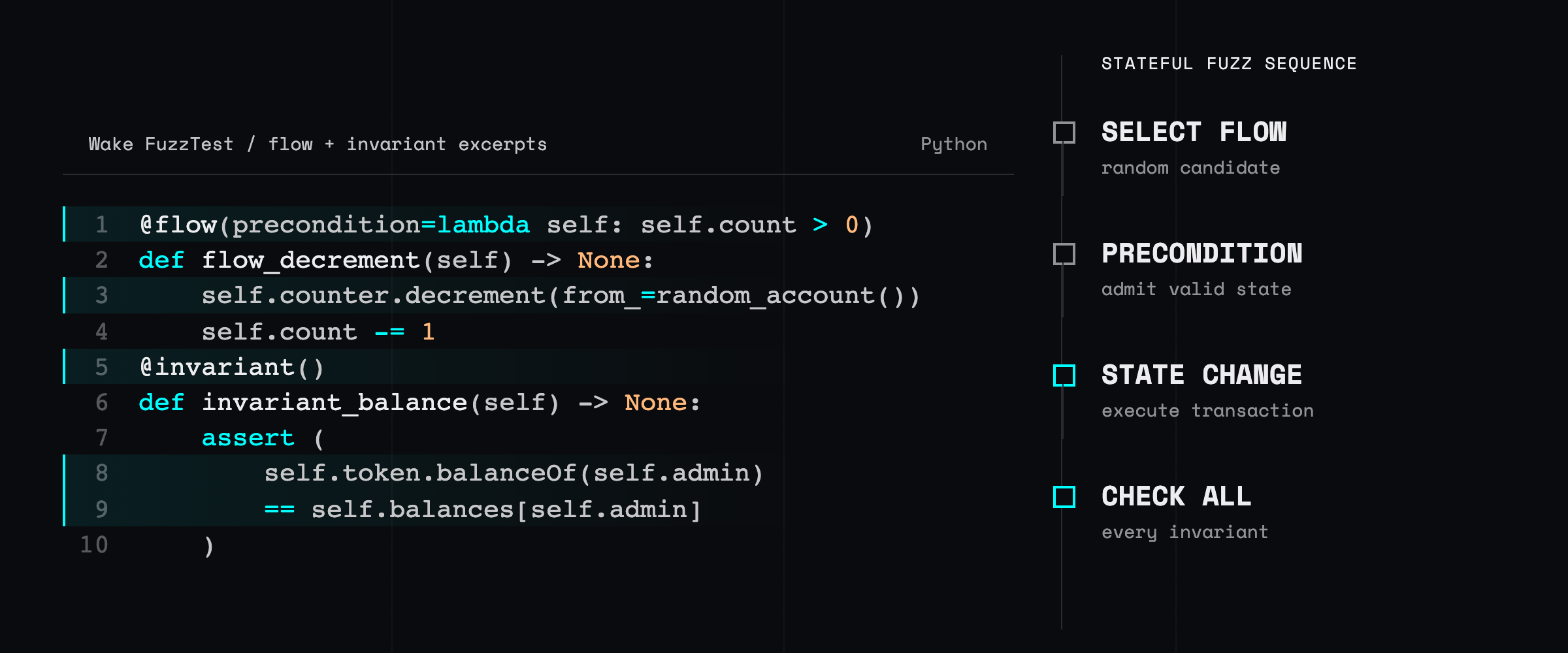
Learn how manually guided fuzzing combines stateful, white-box testing with flows and invariants to test complex smart contracts more efficiently.
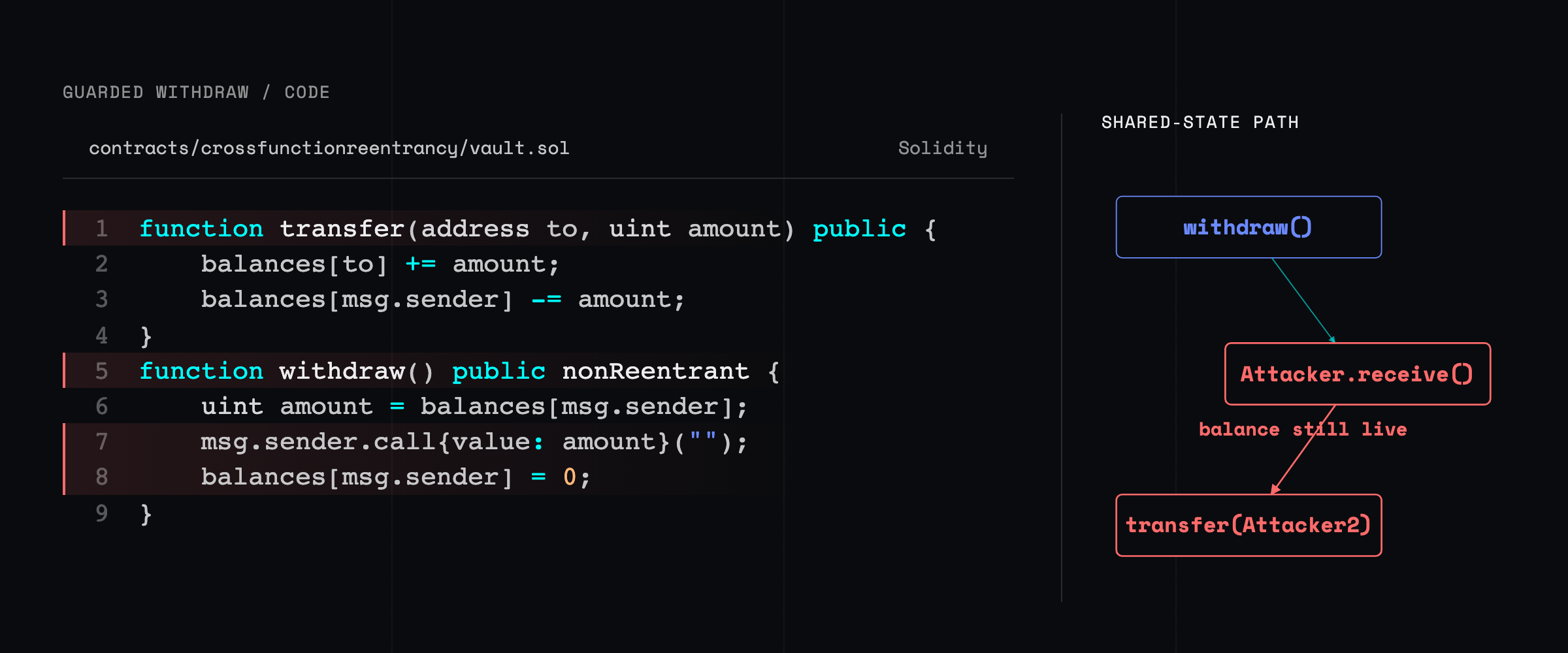
What is a cross function reentrancy attack? Cross-function reentrancy attacks use multiple functions to execute the attack, which can occur when inappropriate…
![The vulnerable Vault withdrawal code beside a recursive call-stack graph showing repeated withdraw frames reading the same balance before any frame reaches balances[msg.sender] equals zero.](/_astro/hero.BjCEFGsd_2u77Pn.png)
What is a reentrancy attack? A reentrancy attack is very specific to smart contracts due to the nature of external calls. When a contract interacts with another…
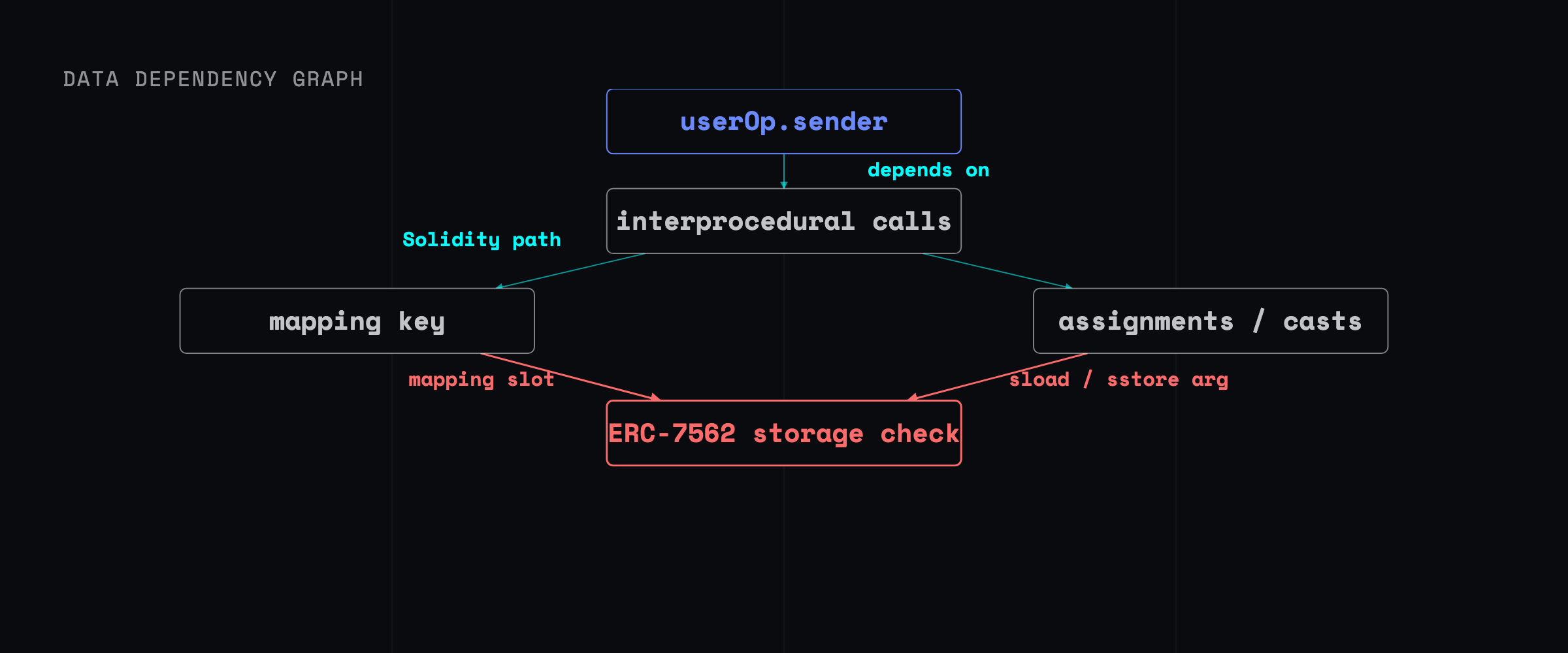
Ackee is finalizing an ERC-4337 detector to identify the use of forbidden opcodes and storage access, turning a very labor-intensive manual review into an automated…
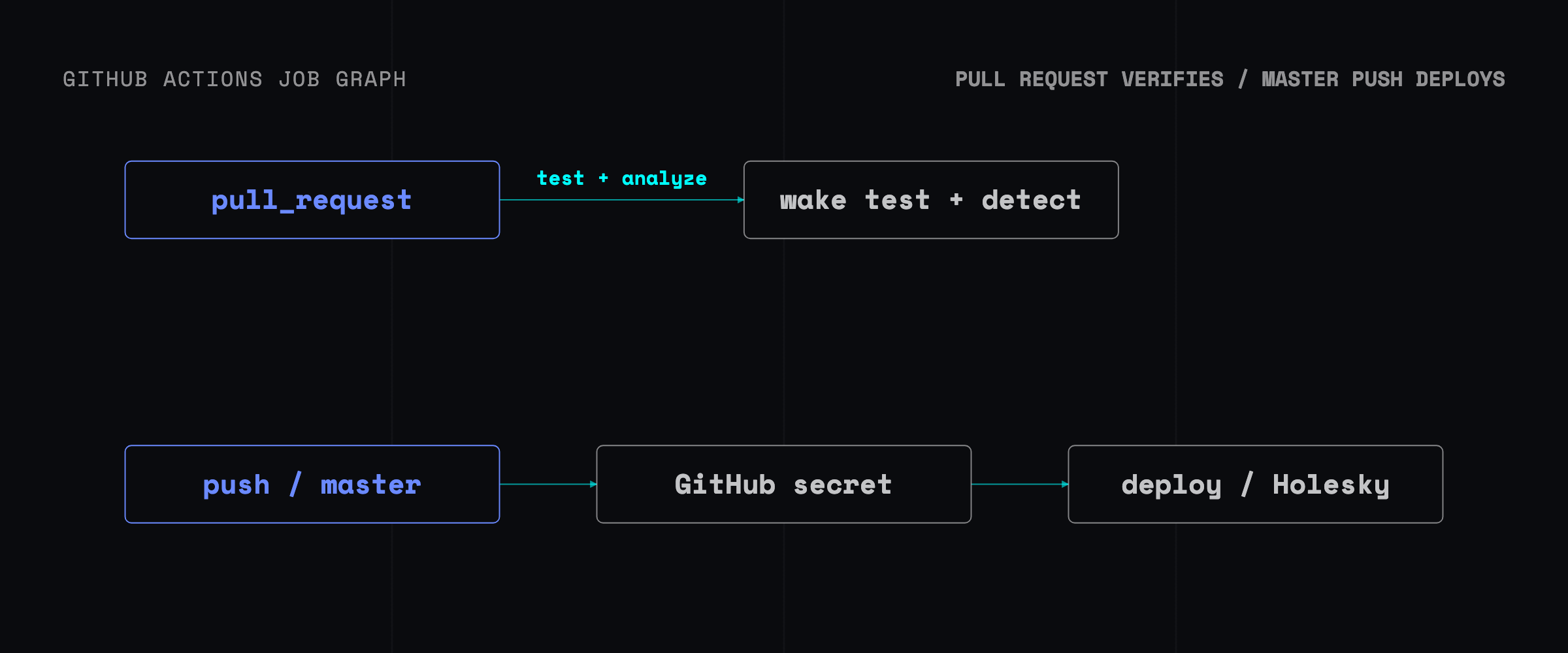
So you want to write and deploy a smart contract, huh? Let’s set up this environment for a sample project from scratch