
A tip vault, an eventful counter, and a delegatecall proxy: three callable EVM contracts in 31 bytes of 5/7/5/7/7-byte phrases, tested with Wake.
Glossary definition
Solidity is a statically typed, object-oriented language for writing smart contracts that compile to Ethereum Virtual Machine bytecode.
Solidity was first proposed in 2014 by Gavin Wood, co-founder and former CTO of the Ethereum Foundation and later a co-founder of Polkadot.
Solidity is an object-oriented, high-level programming language. It is used for writing smart contracts for the EVM (Ethereum Virtual Machine) and is heavily influenced by C++, JavaScript, and Python.
To learn more about Solidity, read the current official documentation.
Used in context
A tip vault, an eventful counter, and a delegatecall proxy: three callable EVM contracts in 31 bytes of 5/7/5/7/7-byte phrases, tested with Wake.
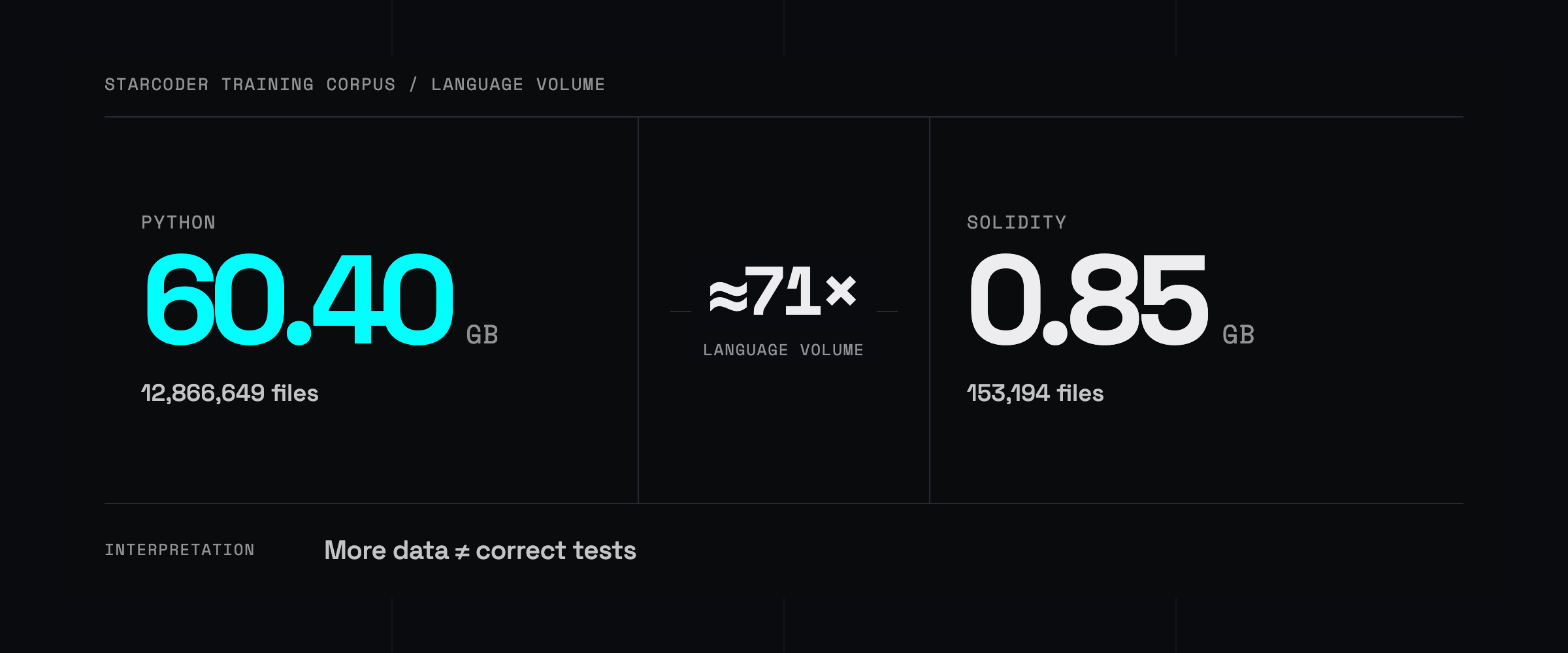
Code corpora and current benchmarks show why AI-assisted Solidity tests benefit from Python, while human review stays focused on test logic.
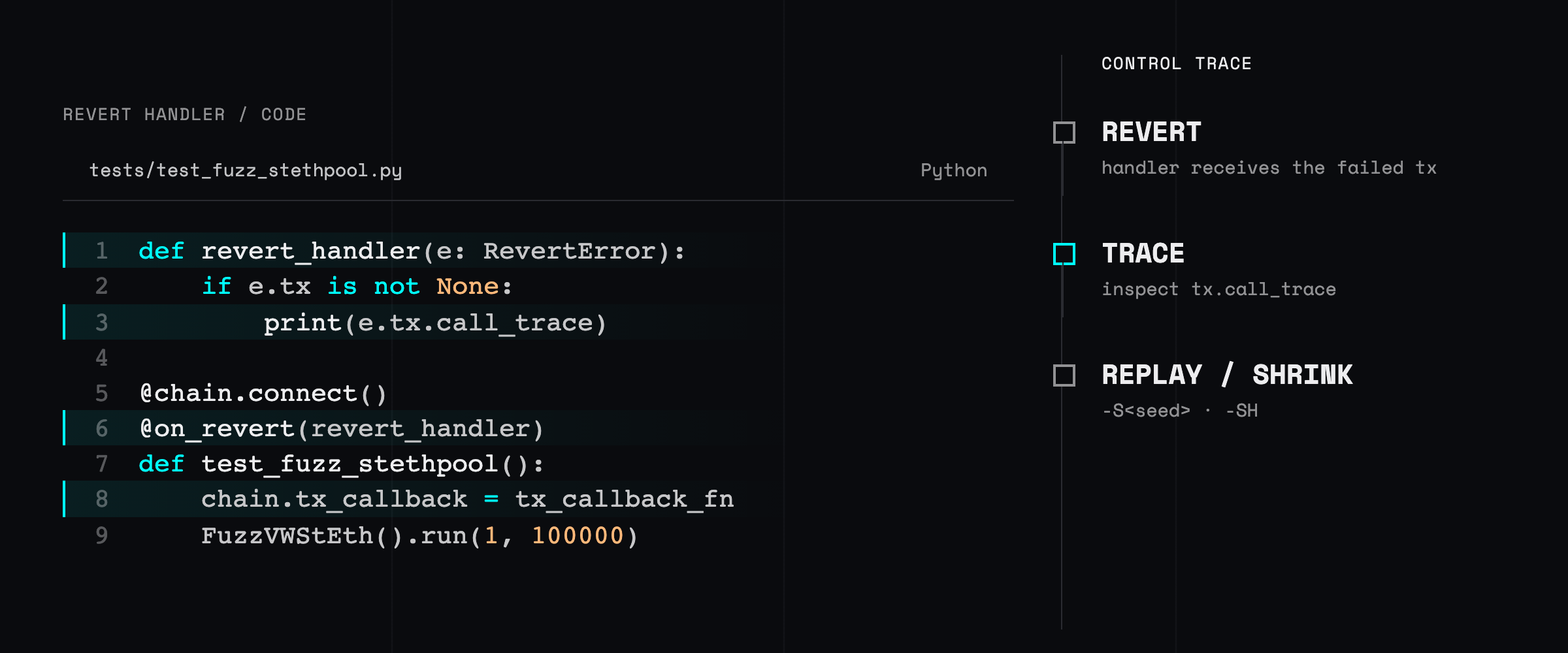
Master Wake's debugging tools: console logging, Python fuzzing, ipdb integration, and performance profiling for Solidity smart contract development.
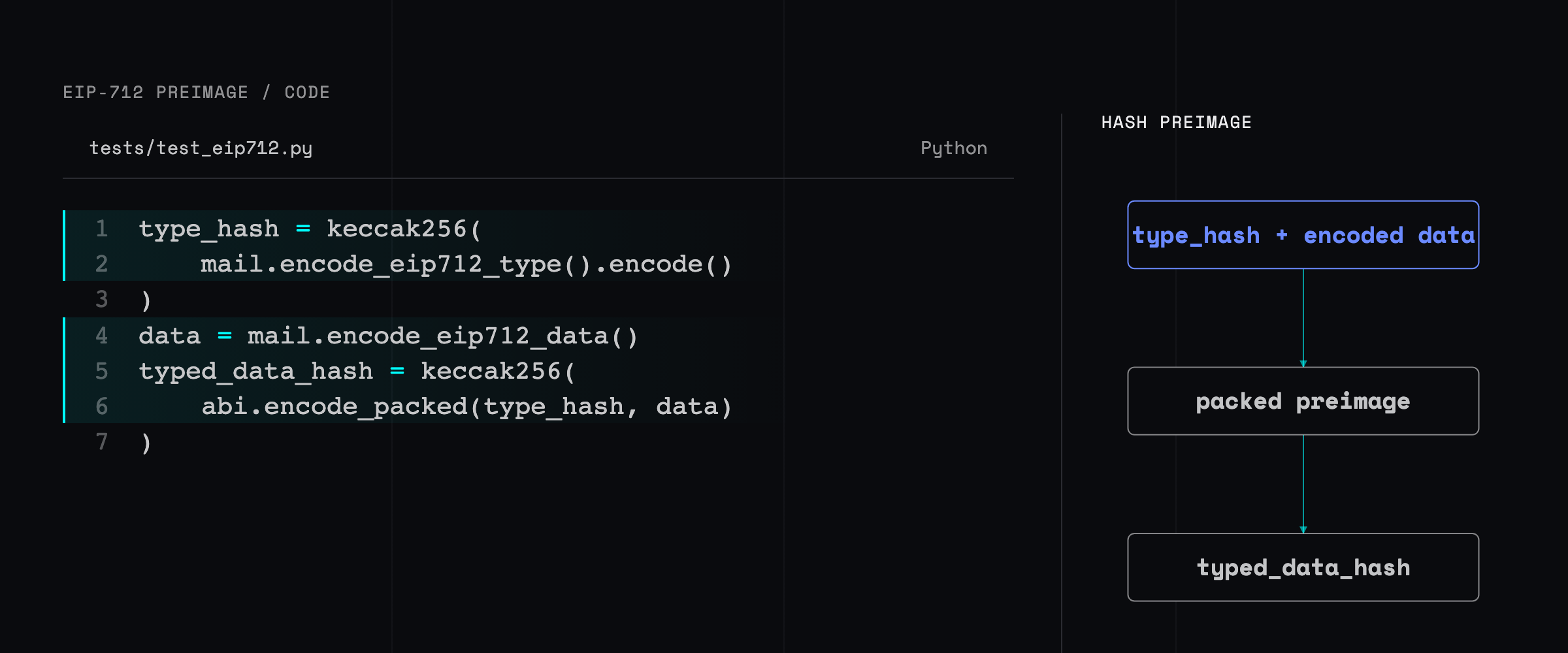
Inspect EIP-712 type strings and preimage bytes in Wake to match Solidity exactly, catch schema errors early, and prove signatures before deployment.
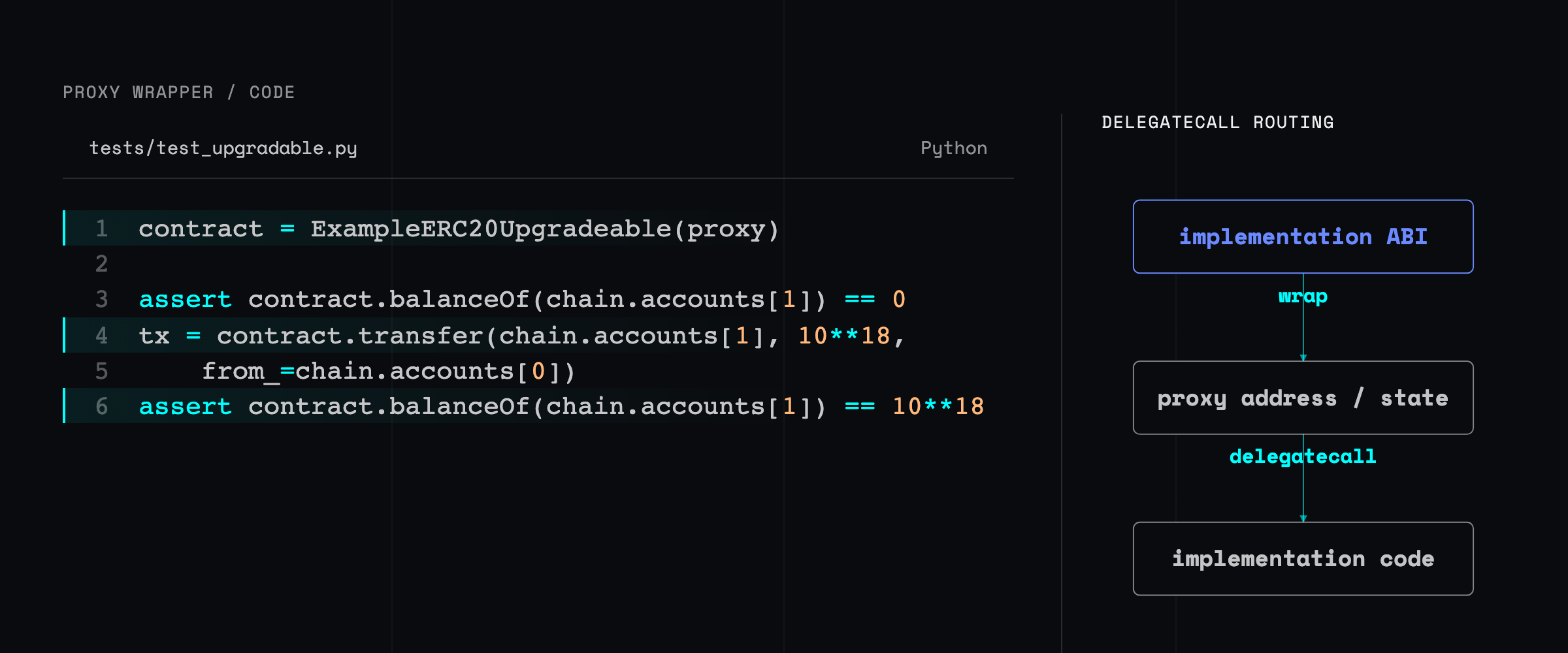
Test upgradable proxy contracts in Wake's Python framework. Catch initialization bugs, storage collisions, and access control issues before mainnet.
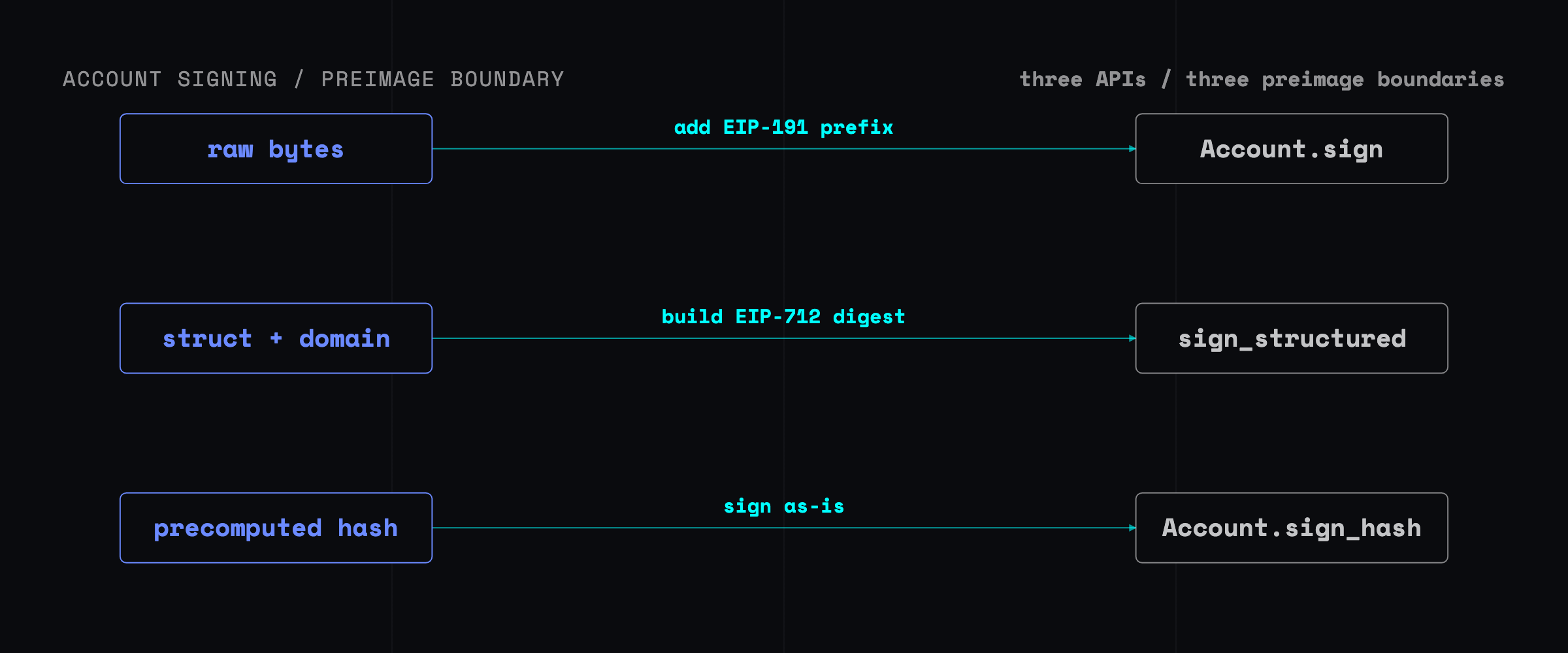
Learn how to sign raw, structured, and hashed messages in Wake tests. Validate EIP-712, EIP-191, and permit flows with clear examples and reliable verification.
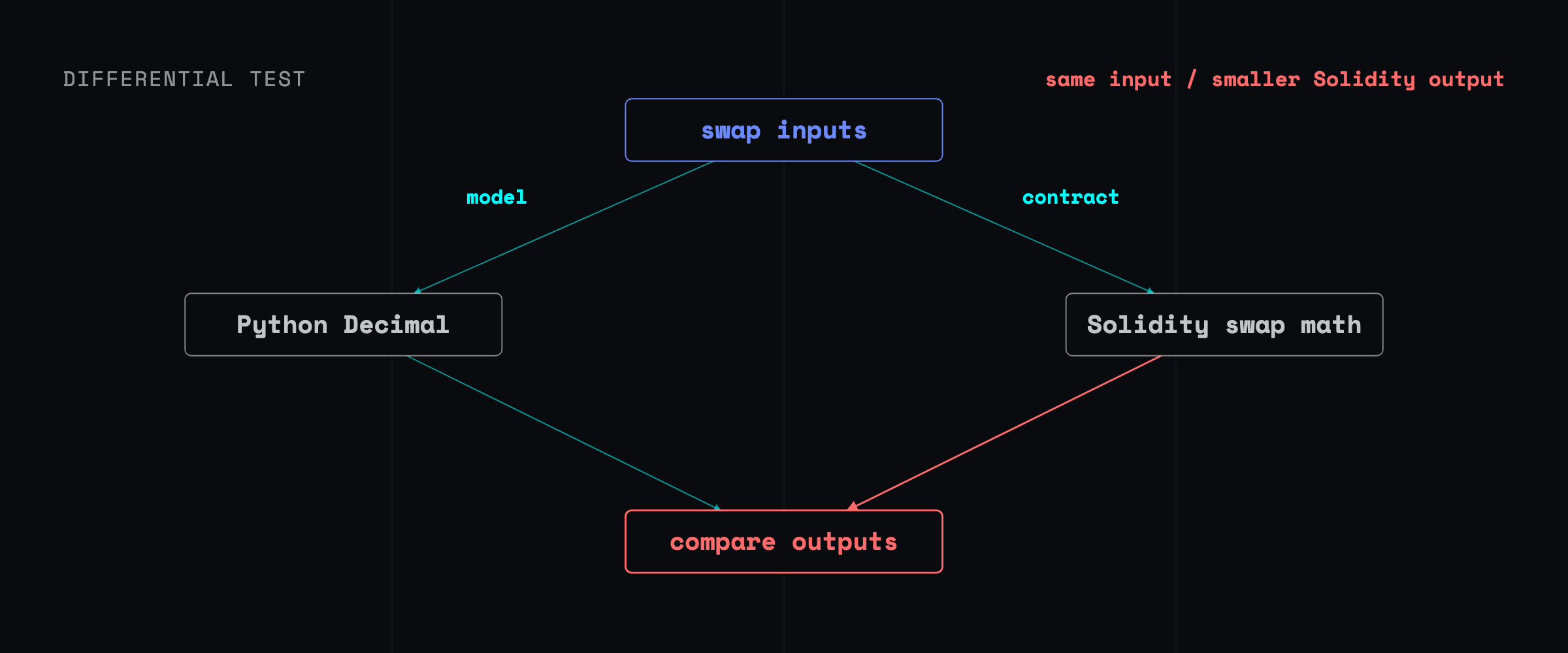
Learn how Balancer’s StableSwap math failed and how differential fuzzing in Python detects precision bugs in DeFi swap logic for safer smart contract design.
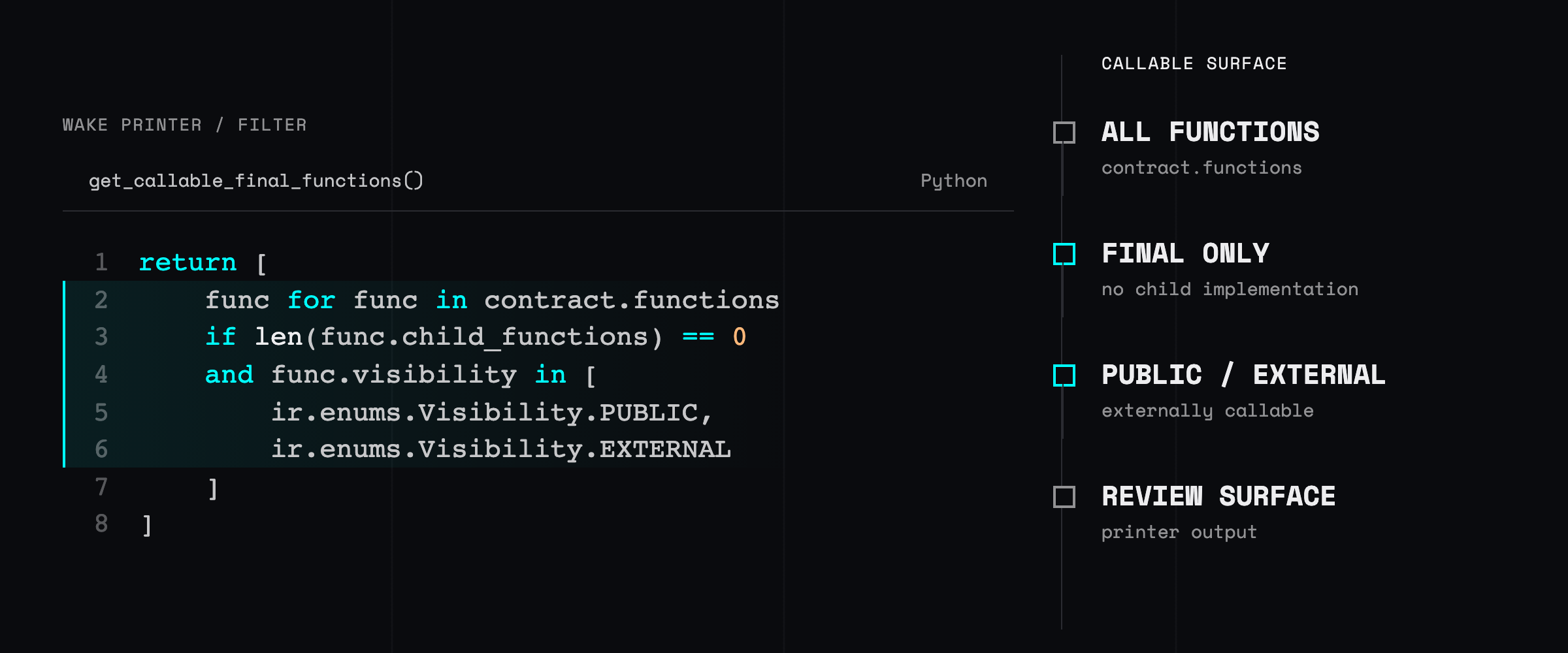
Learn how to build custom Wake printers for smart contract analysis, uncover vulnerabilities, and speed up Solidity security reviews.
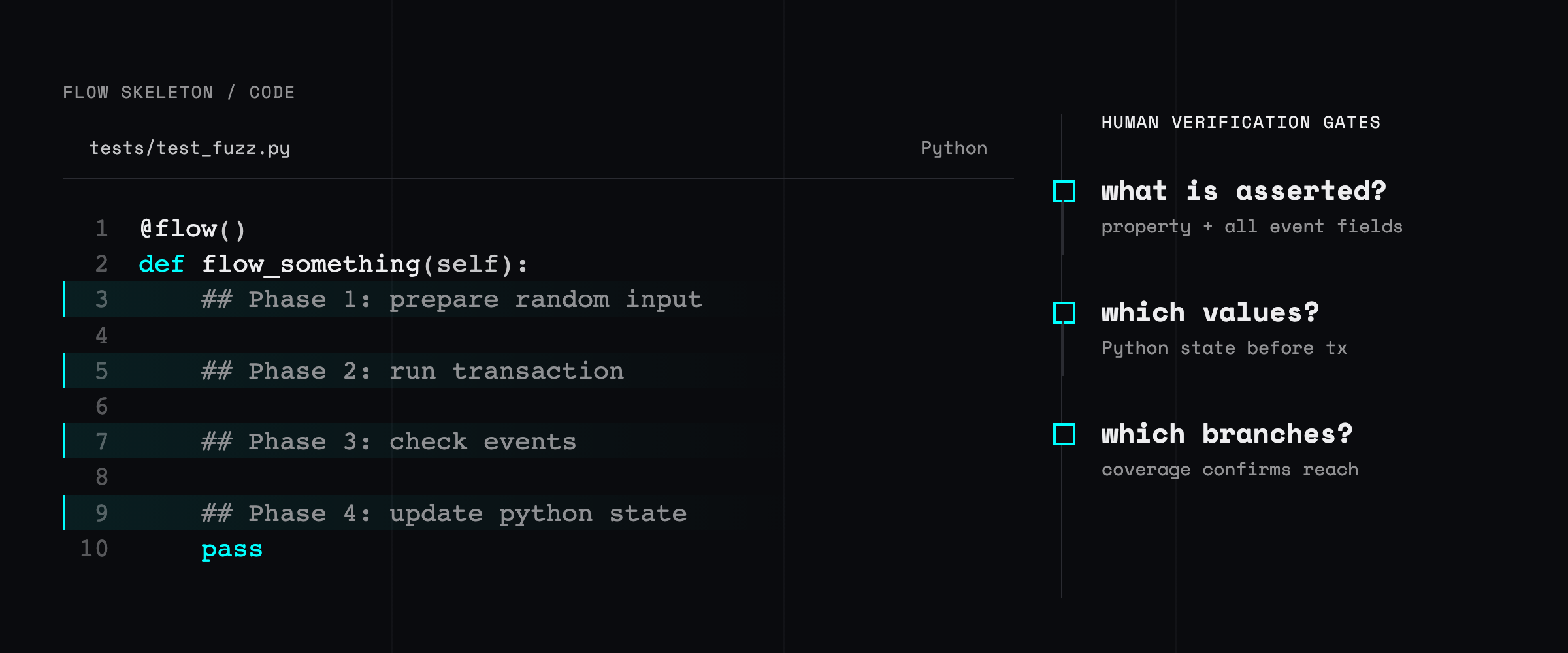
Boost smart contract security with AI-guided fuzz testing in Wake. Learn what to automate, what to verify, and how to write effective tests in Python.
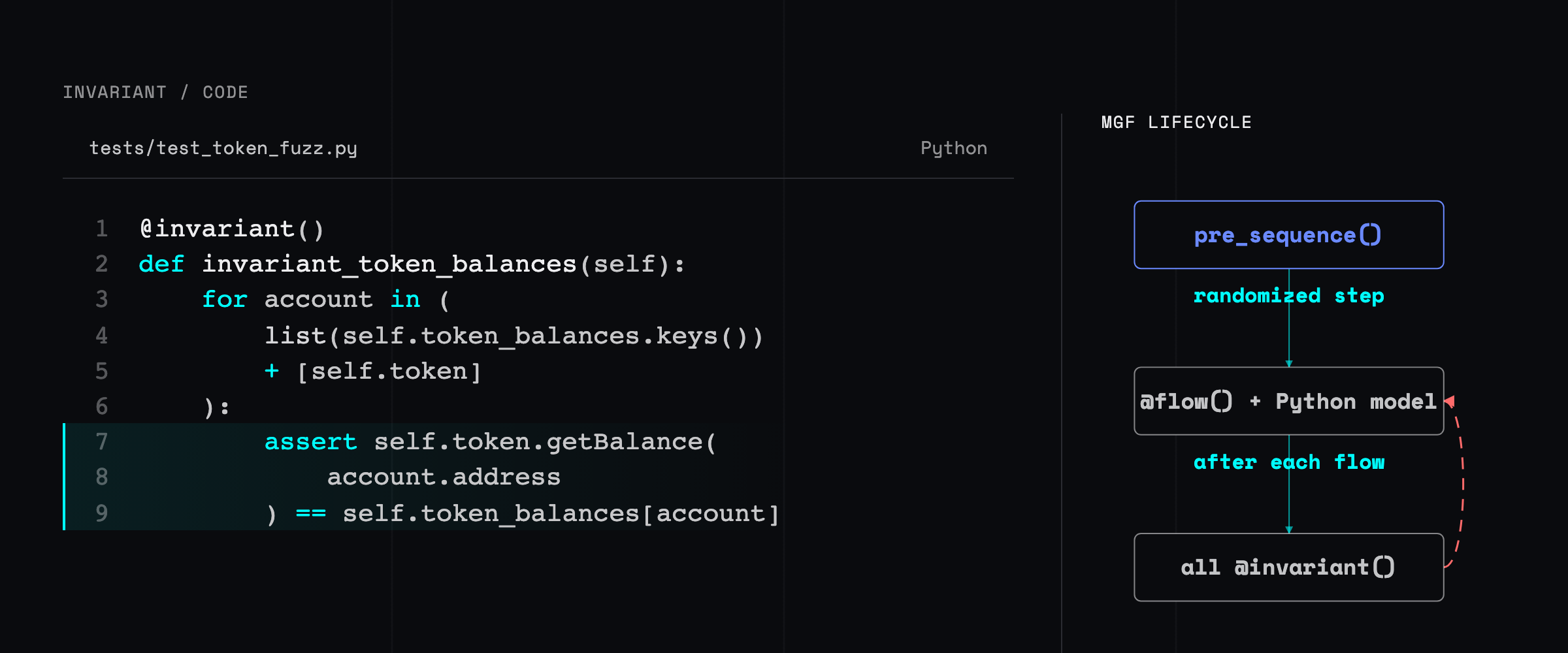
Learn Manually Guided Fuzzing (MGF) with the Wake framework to find critical smart contract vulnerabilities through systematic testing and defined invariants.
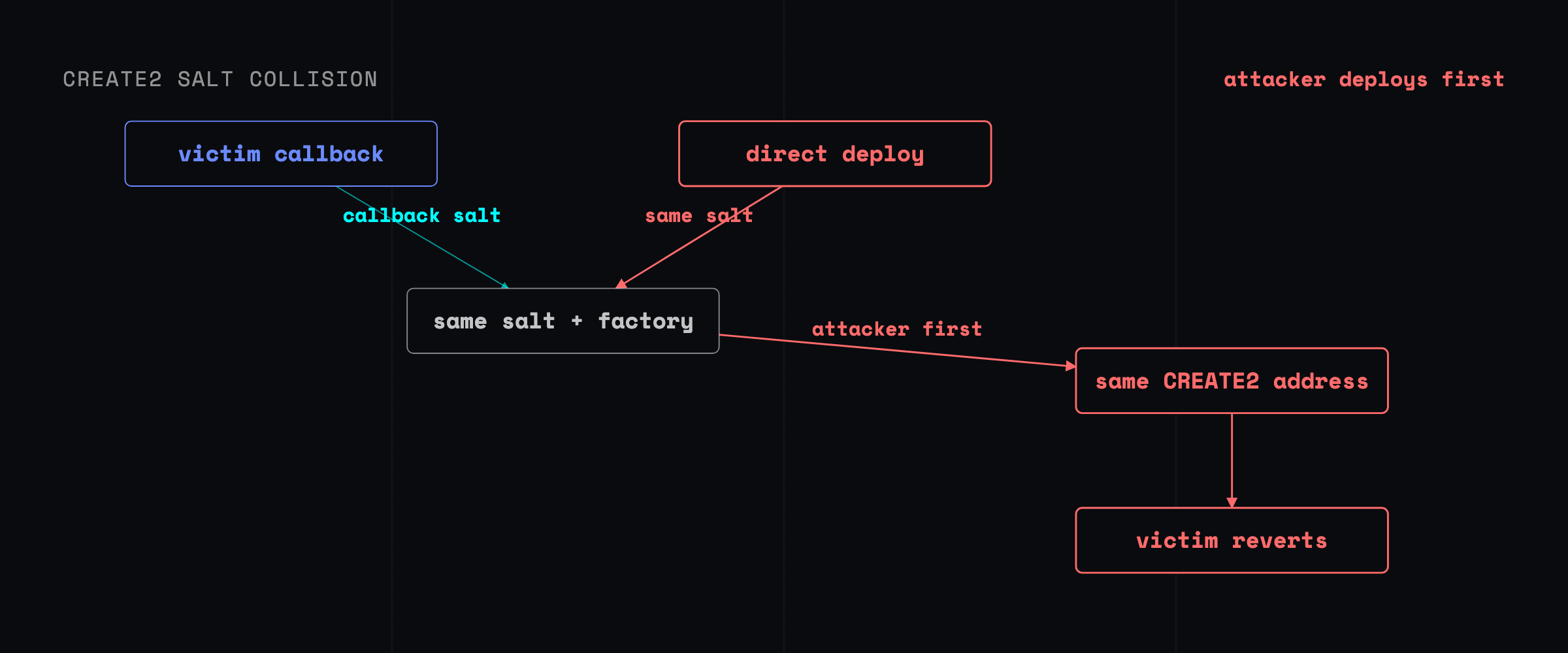
Learn how Wake's Manually Guided Fuzzing detects front-running vulnerabilities using differential fuzzing. Includes real examples and best practices.
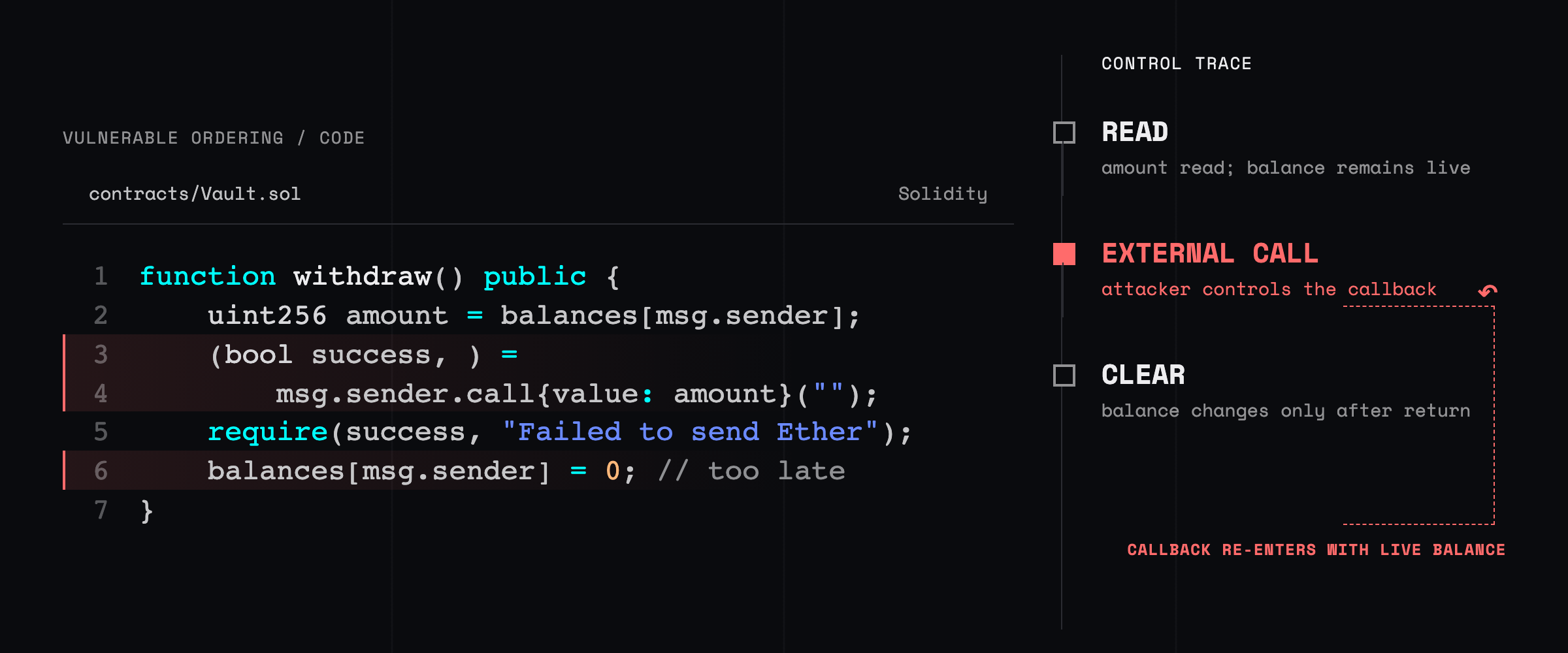
This guide provides a comprehensive analysis of reentrancy vulnerabilities with examples. Learn how reentrancy works and how to identify it in real protocols.
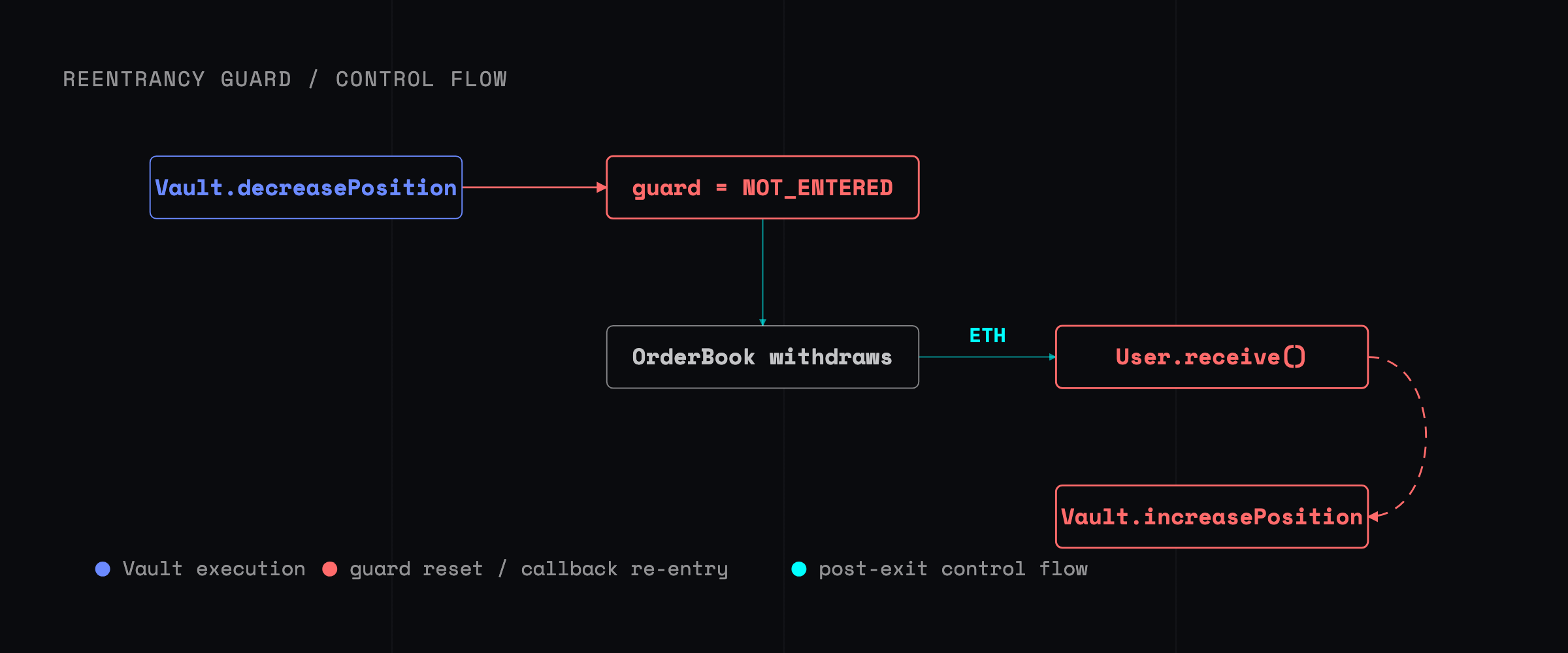
This analysis examines the 42M attack on the GMX protocol. We provide details of the vulnerability with a working reproduction of the attack scenario.
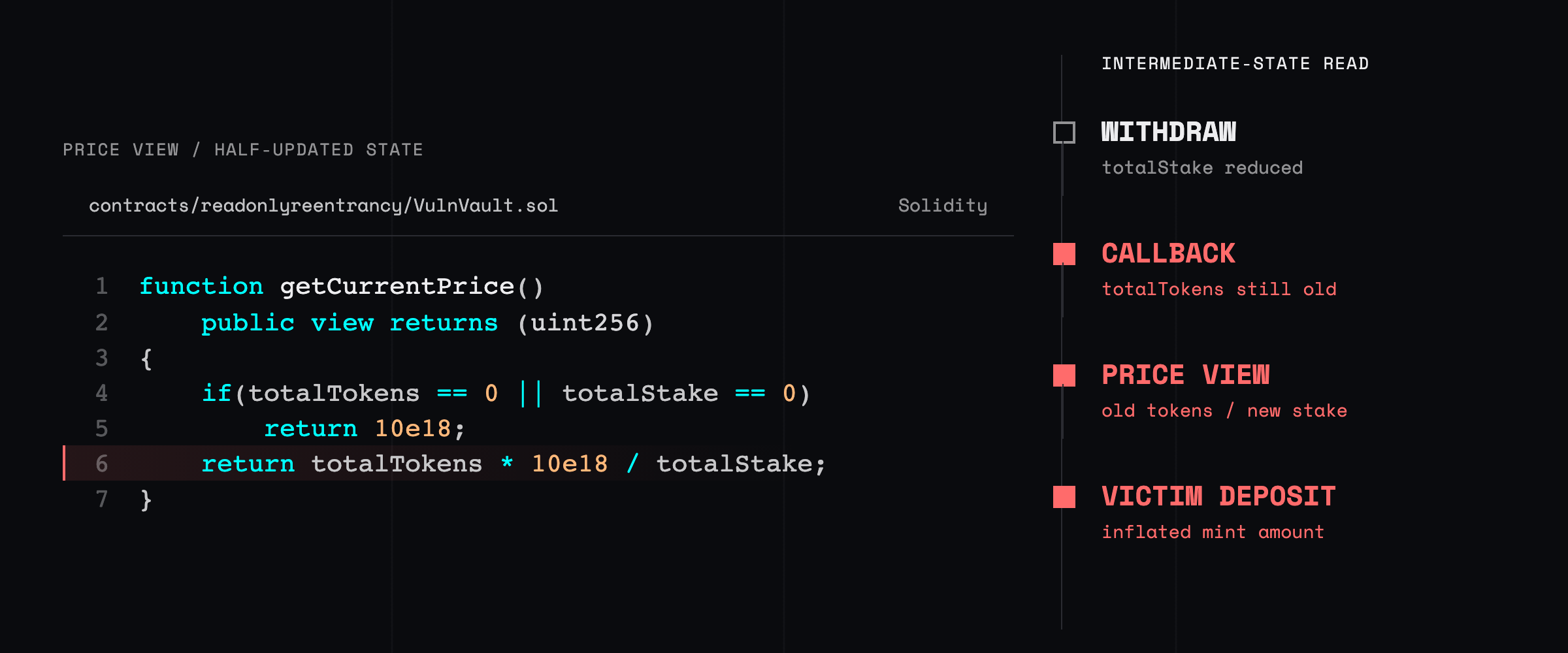
A read-only reentrancy attack manipulate a smart contracts to extract value. Let's take a closer look at this vulnerability and how to prevent it.
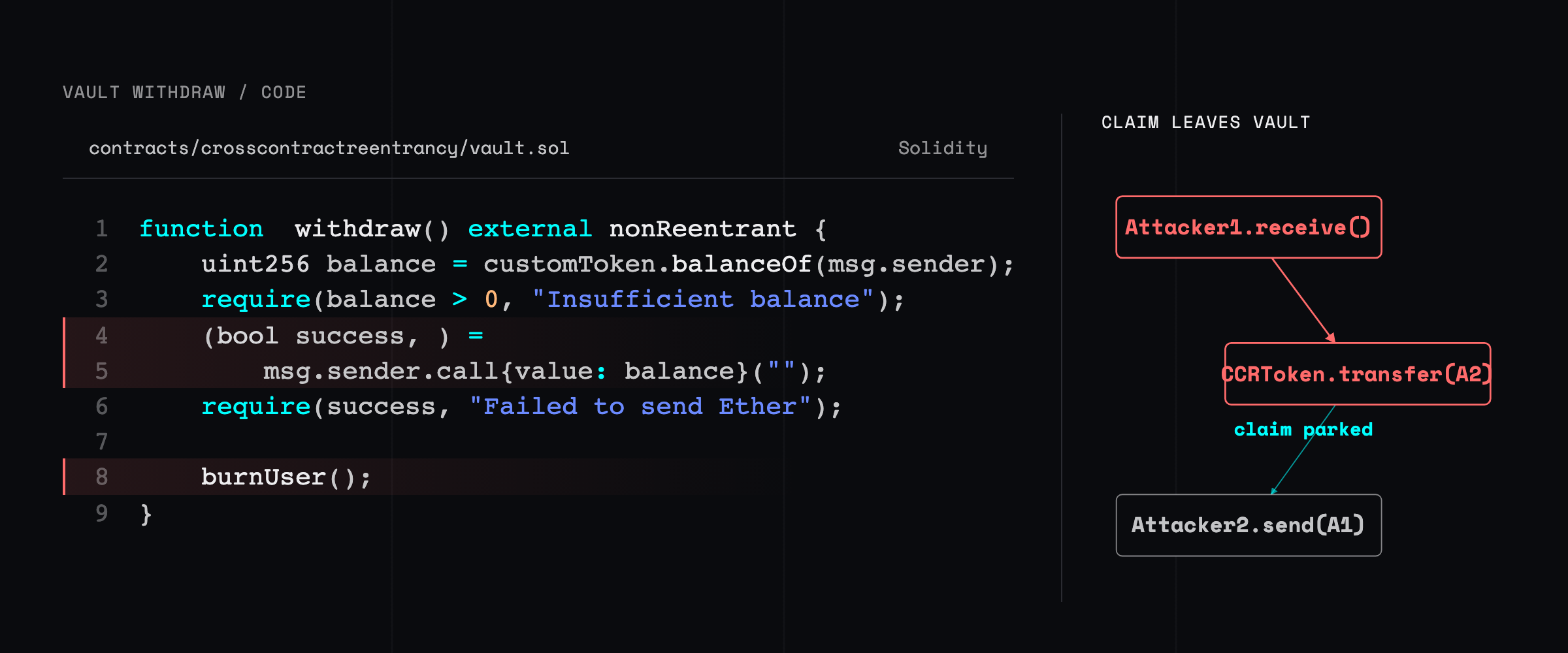
This research article reviews how cross contract reentrancy attacks work, an attack example, and guidance on how to prevent cross contract reentrancy attacks.…
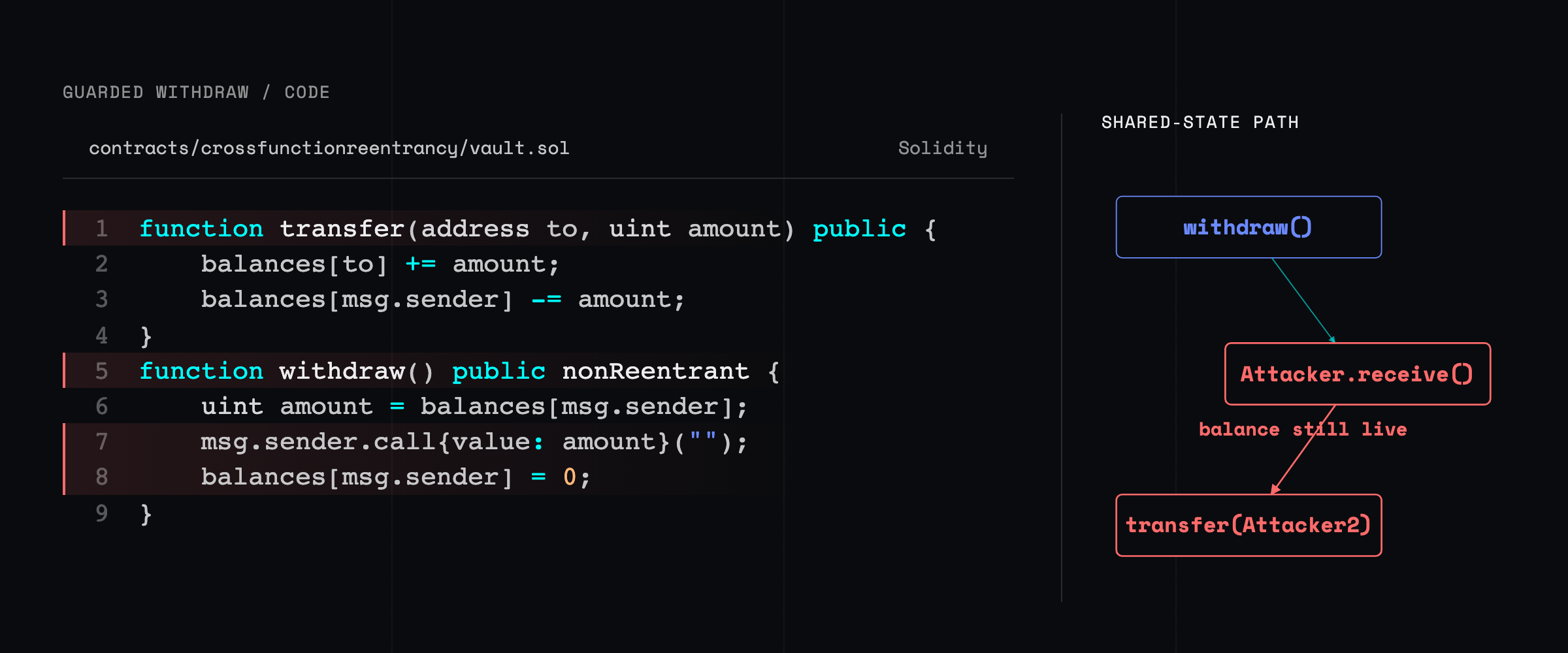
What is a cross function reentrancy attack? Cross-function reentrancy attacks use multiple functions to execute the attack, which can occur when inappropriate…
![The vulnerable Vault withdrawal code beside a recursive call-stack graph showing repeated withdraw frames reading the same balance before any frame reaches balances[msg.sender] equals zero.](/_astro/hero.BjCEFGsd_2u77Pn.png)
What is a reentrancy attack? A reentrancy attack is very specific to smart contracts due to the nature of external calls. When a contract interacts with another…
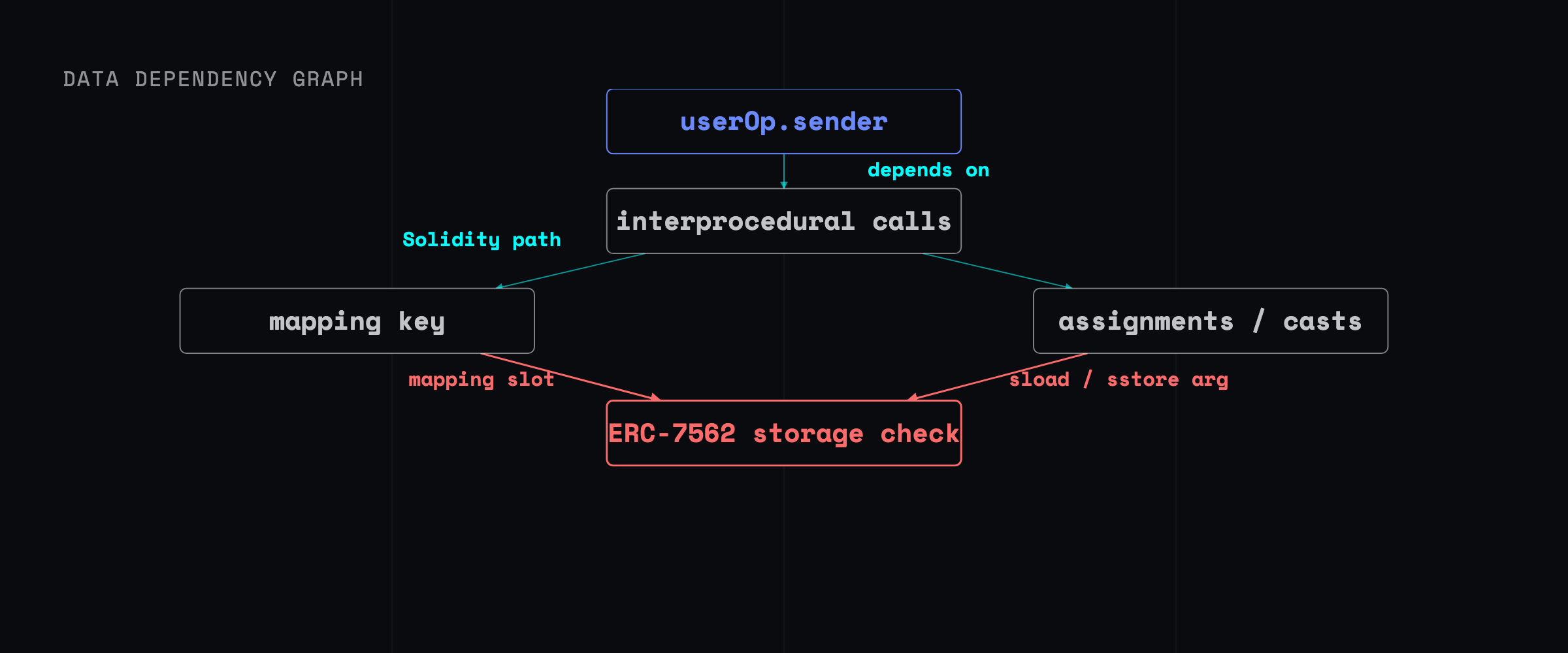
Ackee is finalizing an ERC-4337 detector to identify the use of forbidden opcodes and storage access, turning a very labor-intensive manual review into an automated…
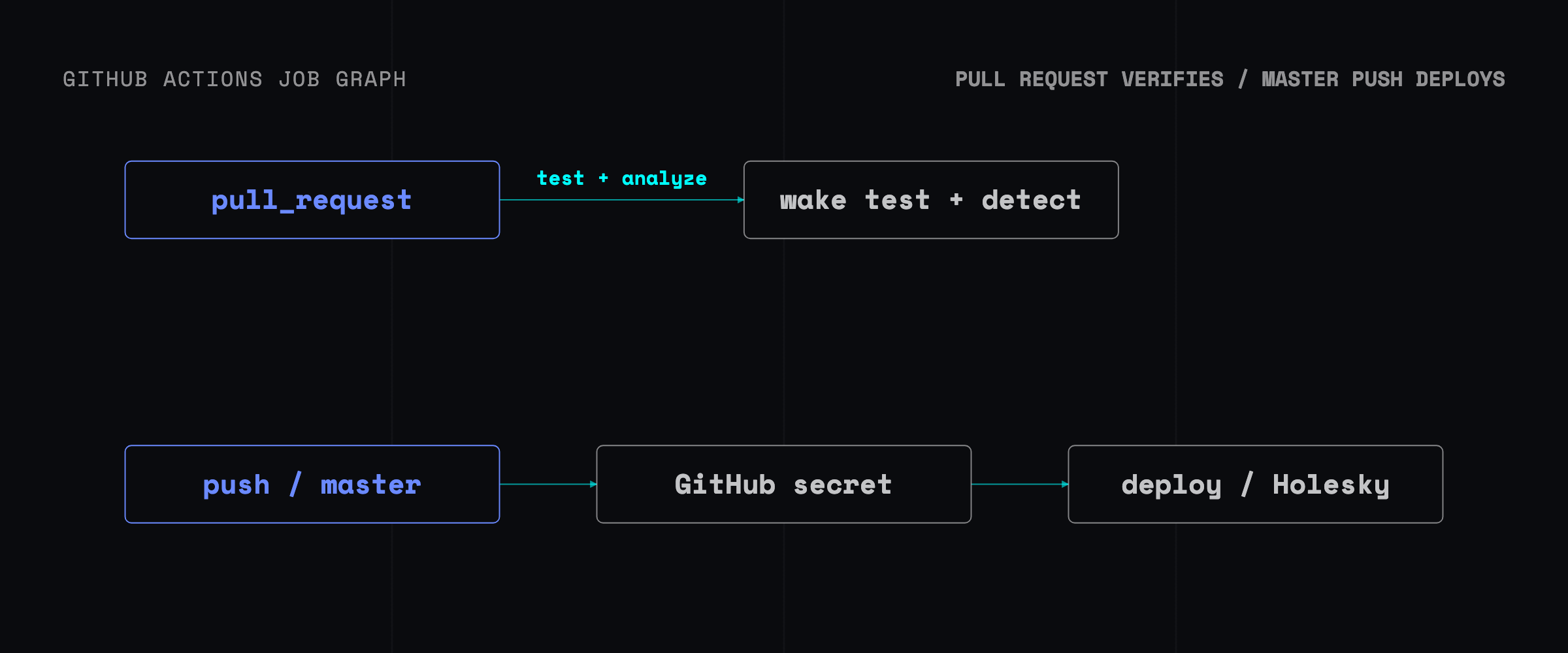
So you want to write and deploy a smart contract, huh? Let’s set up this environment for a sample project from scratch
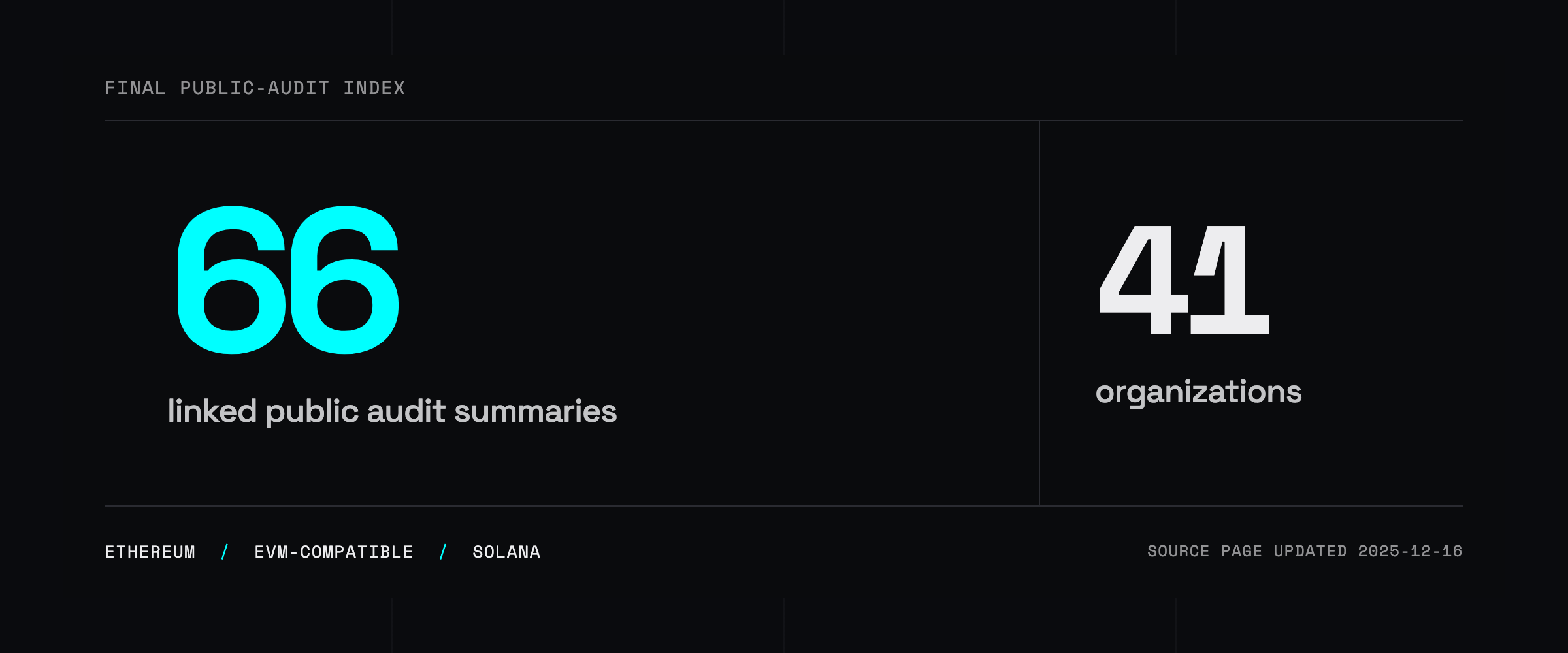
An archived index of Ackee Blockchain public Ethereum, EVM, and Solana audit summaries, covering 41 organizations and 66 linked entries.
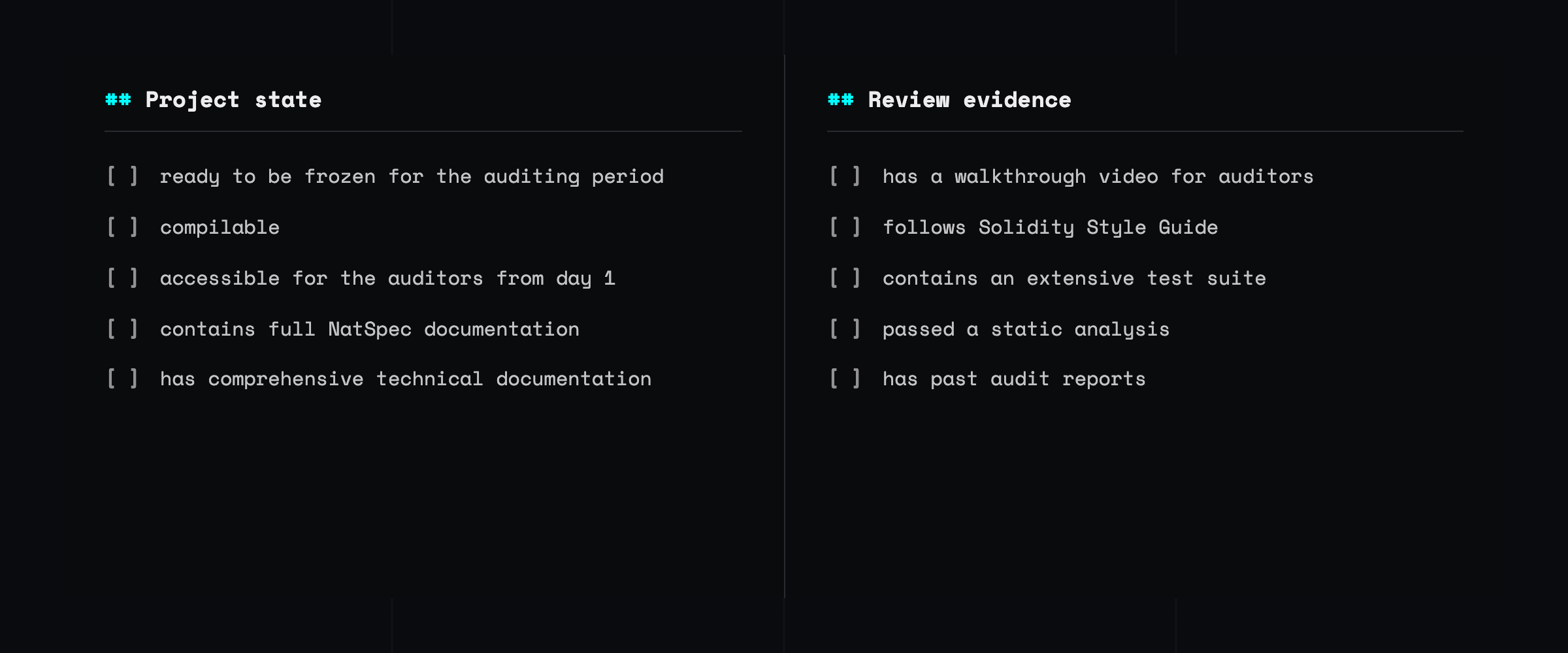
How to prepare for a smart contract audit The pre-audit part is essential for a smooth audit, and we will now guide you through it.
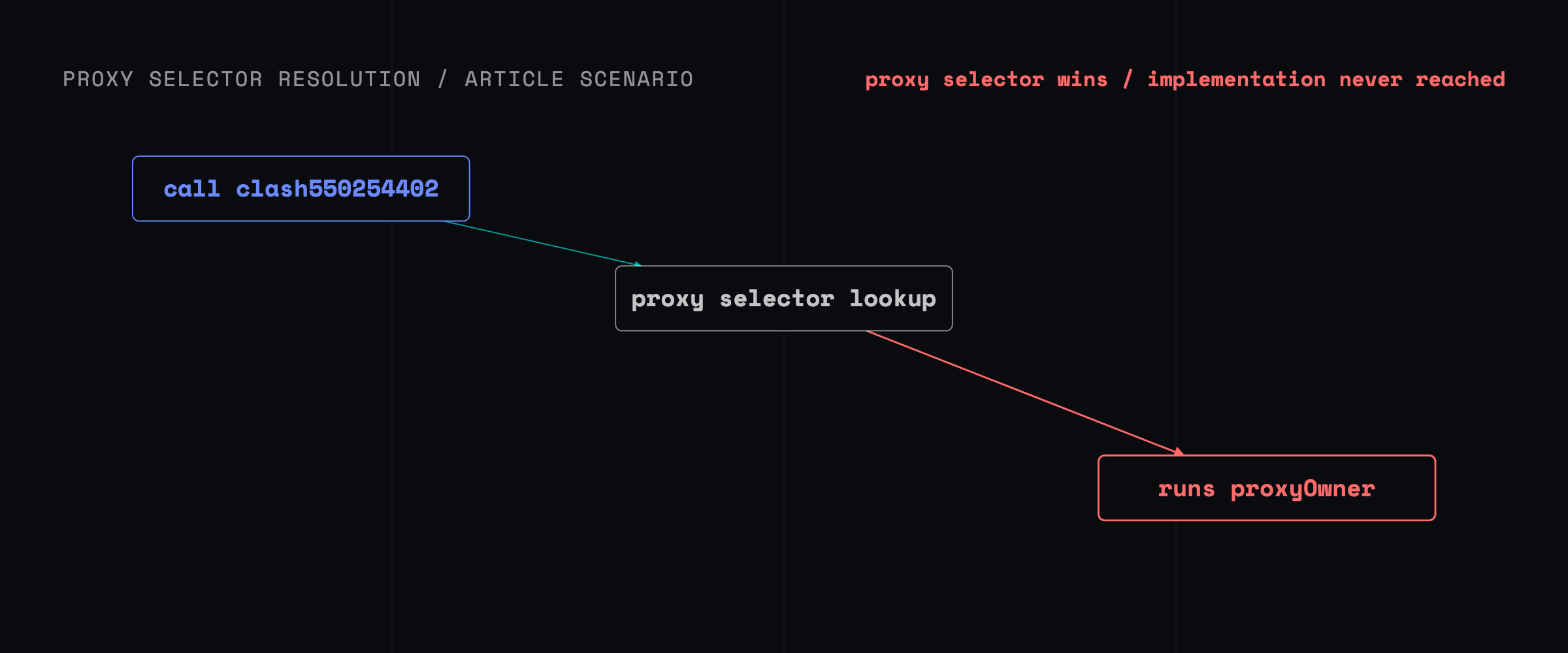
Building projects on top of cross-chain solutions may lead to security issues in the code. Open-source tools can automatically detect many issues or help test the…