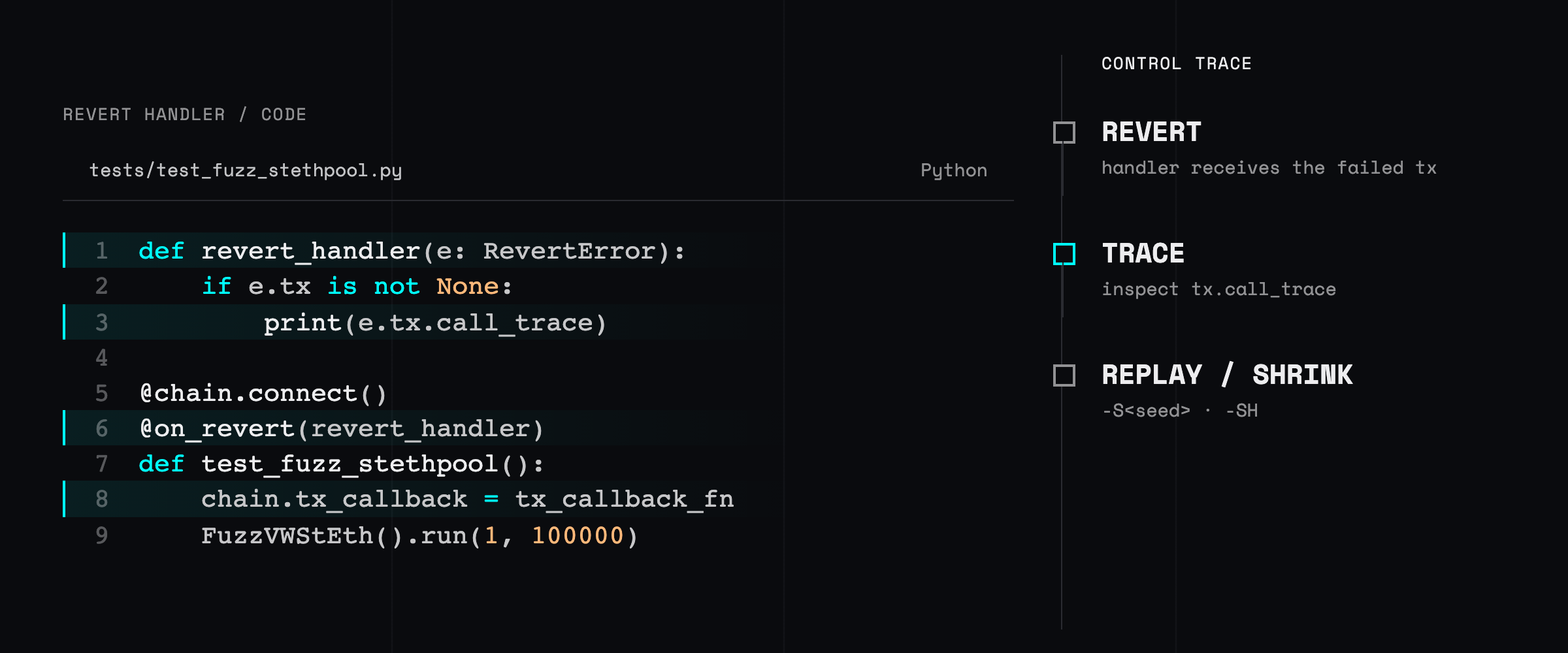
Master Wake's debugging tools: console logging, Python fuzzing, ipdb integration, and performance profiling for Solidity smart contract development.
Glossary definition
Manually guided fuzzing is stateful fuzz testing in which a researcher writes domain-specific actions, preconditions, state models, and invariants.
Rather than asking a generic engine to discover every meaningful interaction, the researcher encodes flows such as deposit, borrow, trade, liquidate, vote, or bridge. Preconditions keep generated sequences valid; a Python-side model and invariants decide whether the resulting protocol state is acceptable.
The manual work is in designing the search space and oracle, not choosing each input. This can reach protocol-specific failures that byte or coverage mutation alone does not recognize, while still generating thousands of sequences. Start with the migrated beginner’s guide or the Wake documentation.
Used in context
Master Wake's debugging tools: console logging, Python fuzzing, ipdb integration, and performance profiling for Solidity smart contract development.
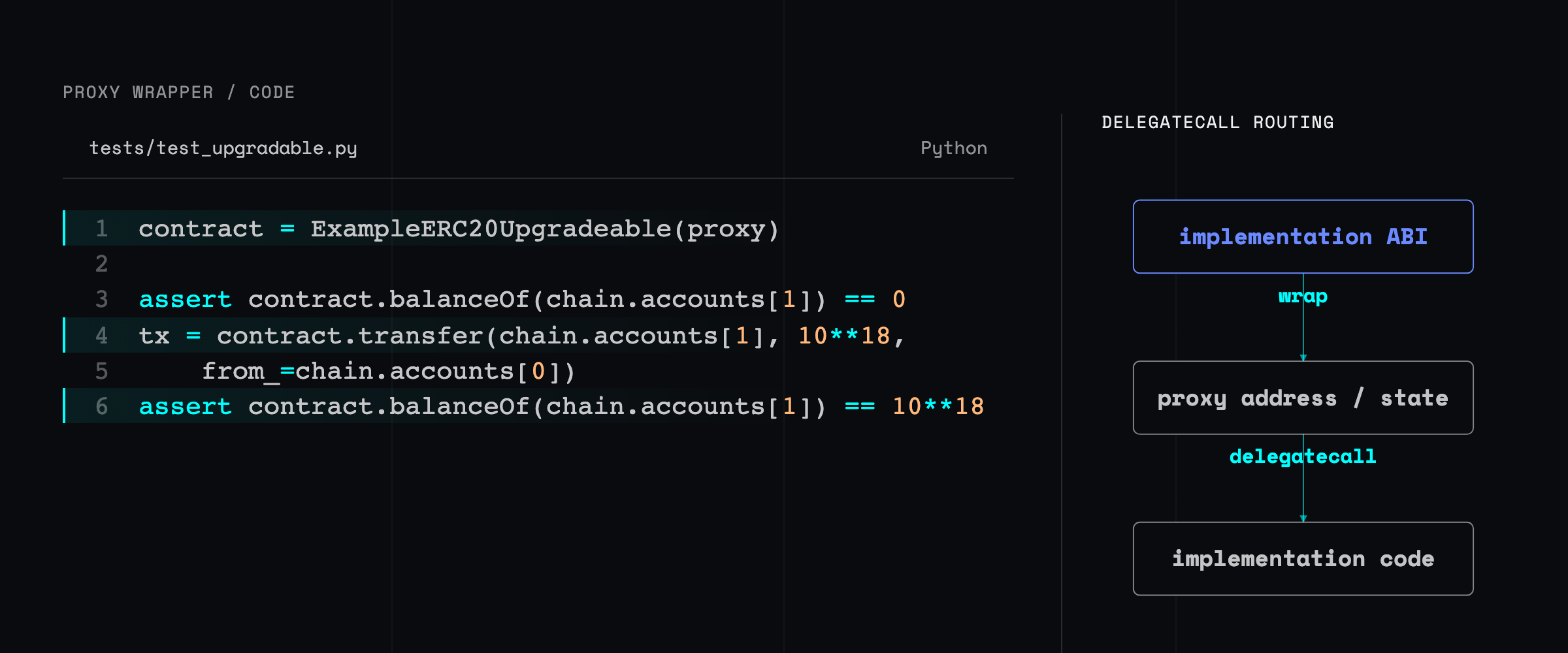
Test upgradable proxy contracts in Wake's Python framework. Catch initialization bugs, storage collisions, and access control issues before mainnet.
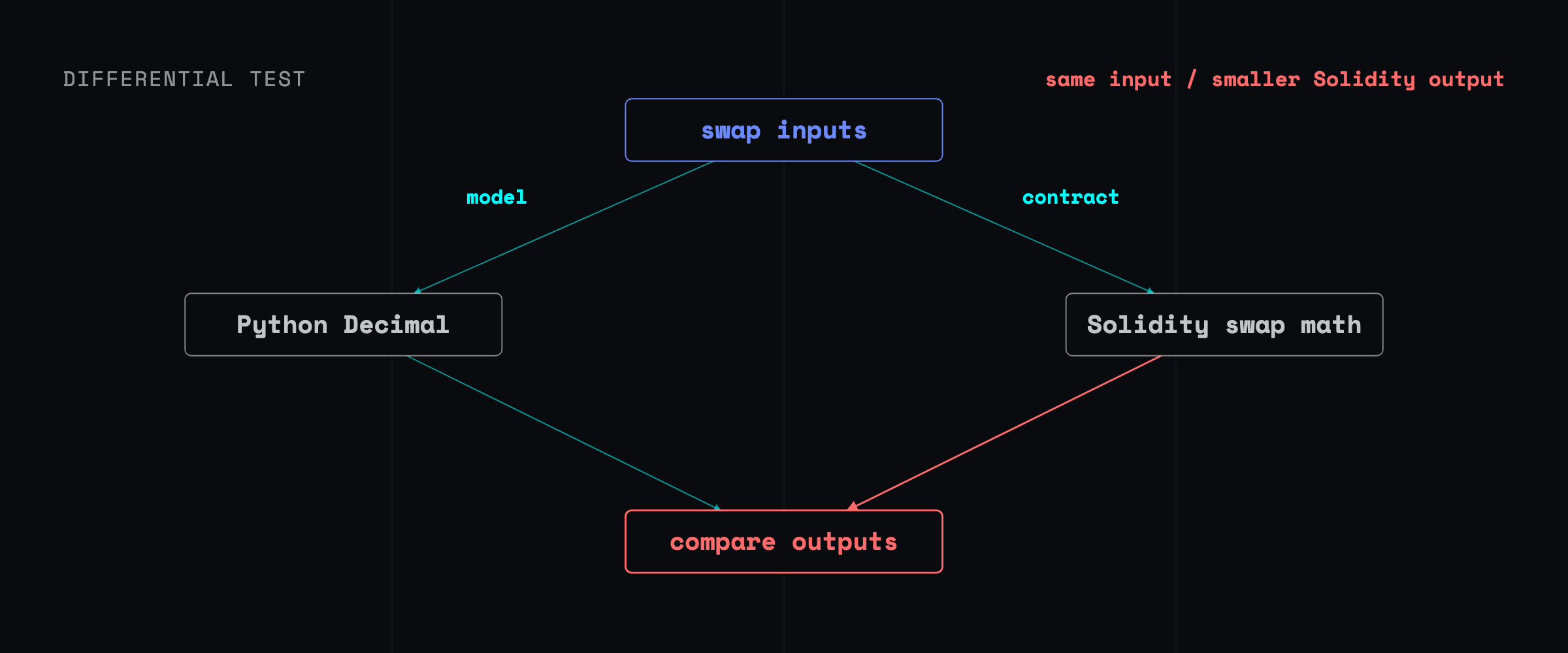
Learn how Balancer’s StableSwap math failed and how differential fuzzing in Python detects precision bugs in DeFi swap logic for safer smart contract design.
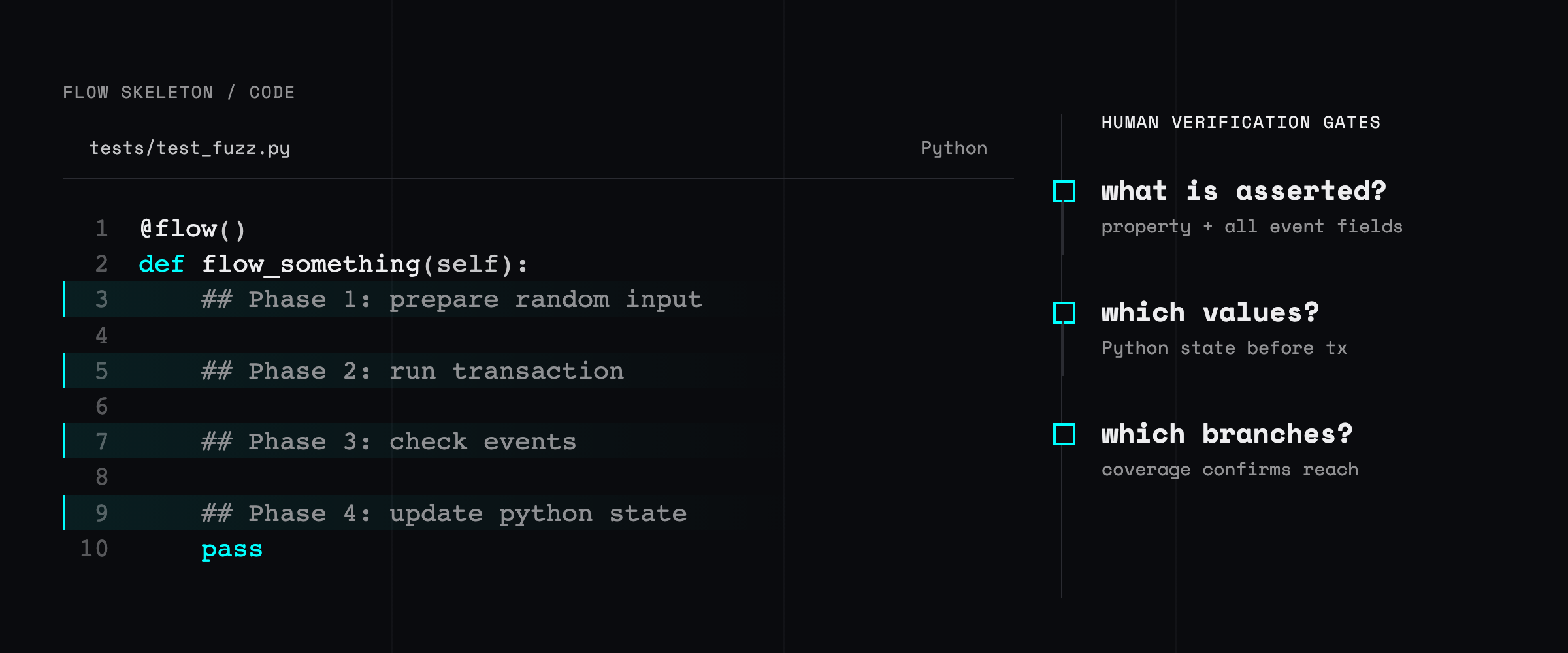
Boost smart contract security with AI-guided fuzz testing in Wake. Learn what to automate, what to verify, and how to write effective tests in Python.
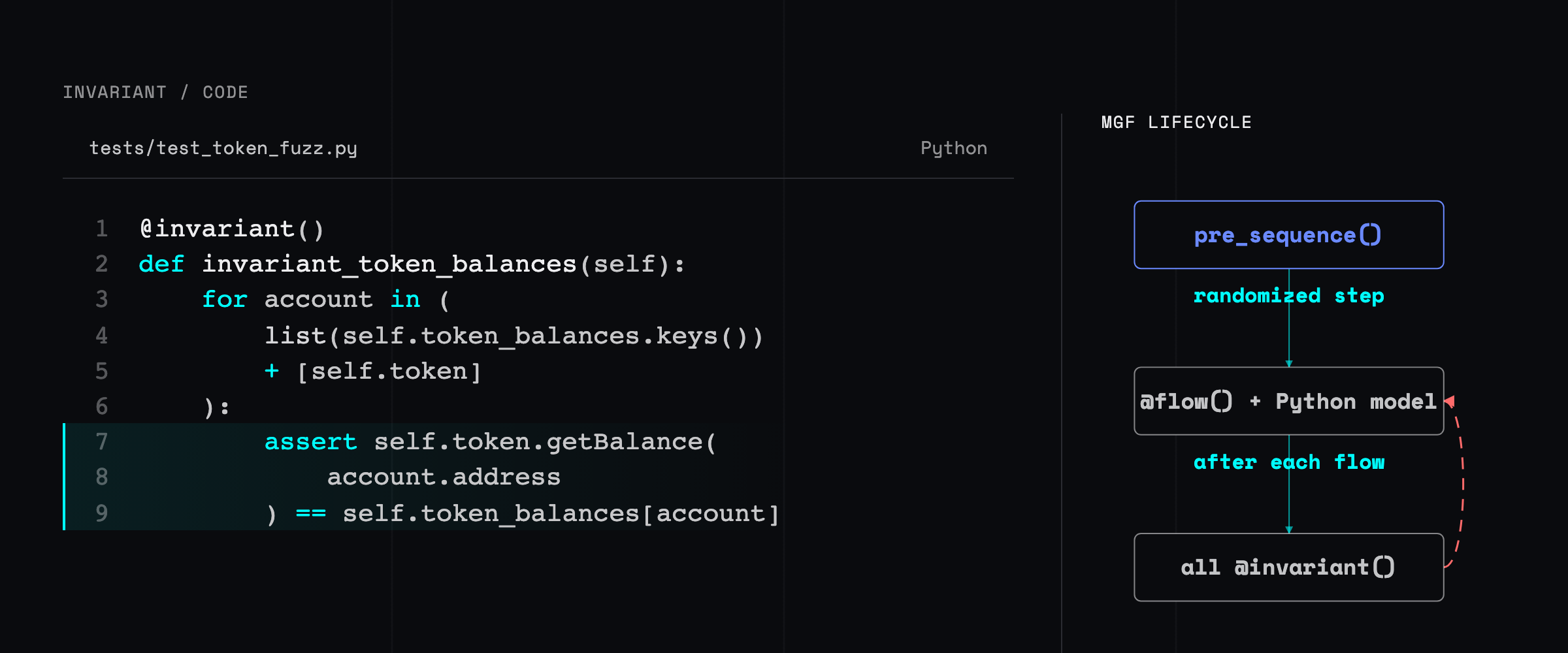
Learn Manually Guided Fuzzing (MGF) with the Wake framework to find critical smart contract vulnerabilities through systematic testing and defined invariants.
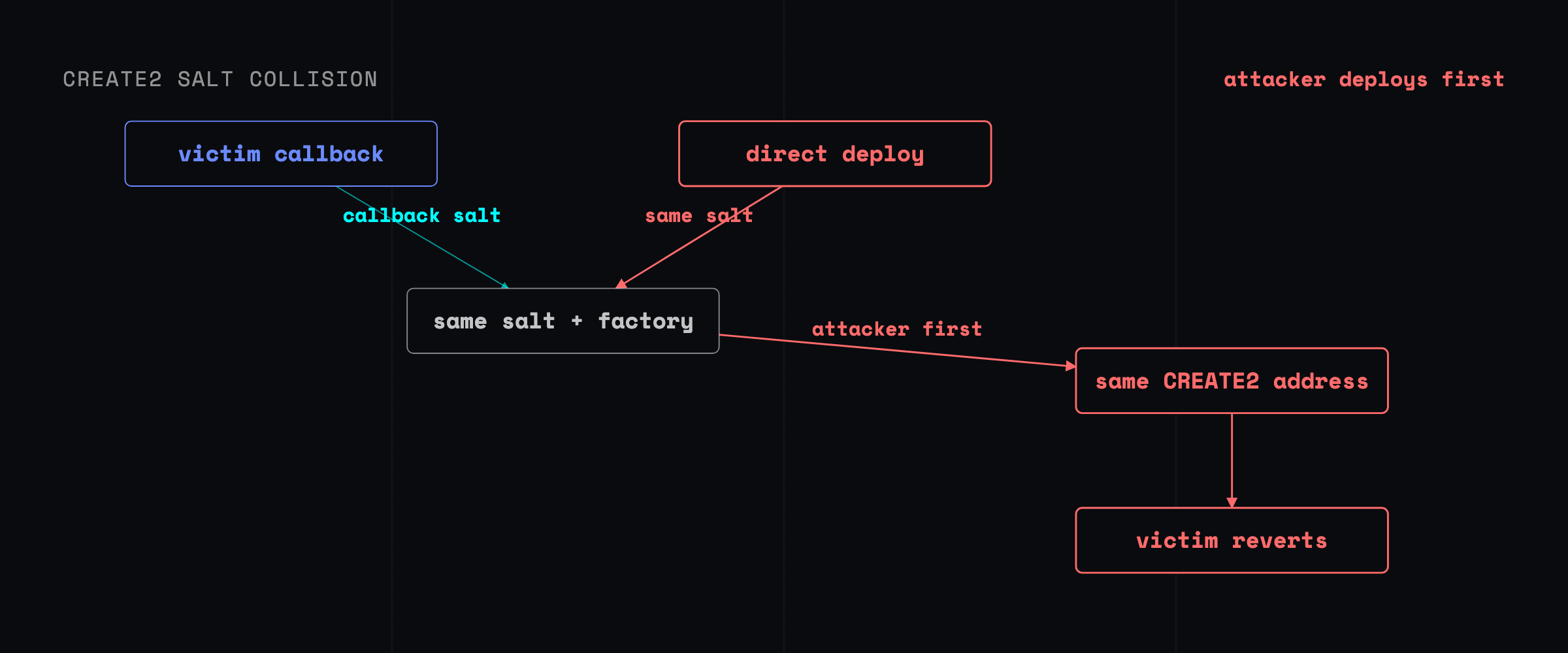
Learn how Wake's Manually Guided Fuzzing detects front-running vulnerabilities using differential fuzzing. Includes real examples and best practices.
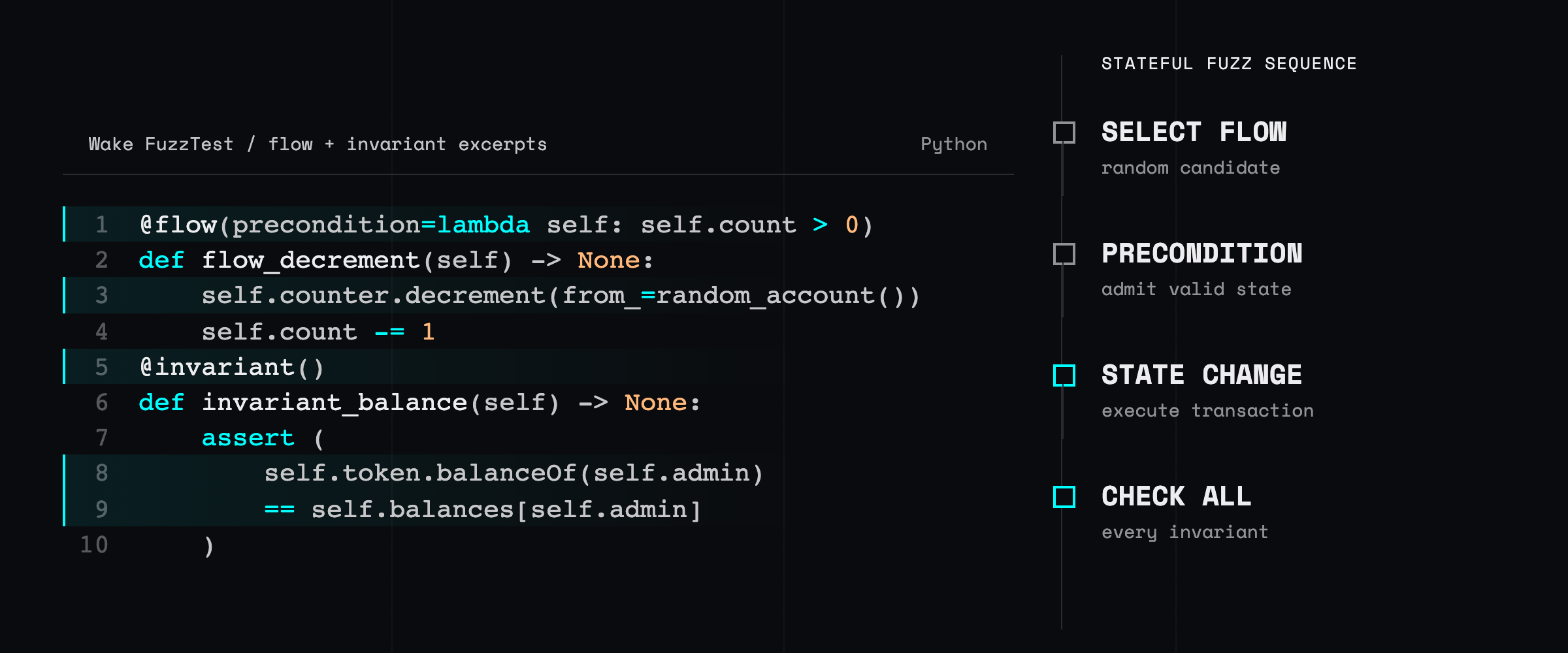
Learn how manually guided fuzzing combines stateful, white-box testing with flows and invariants to test complex smart contracts more efficiently.