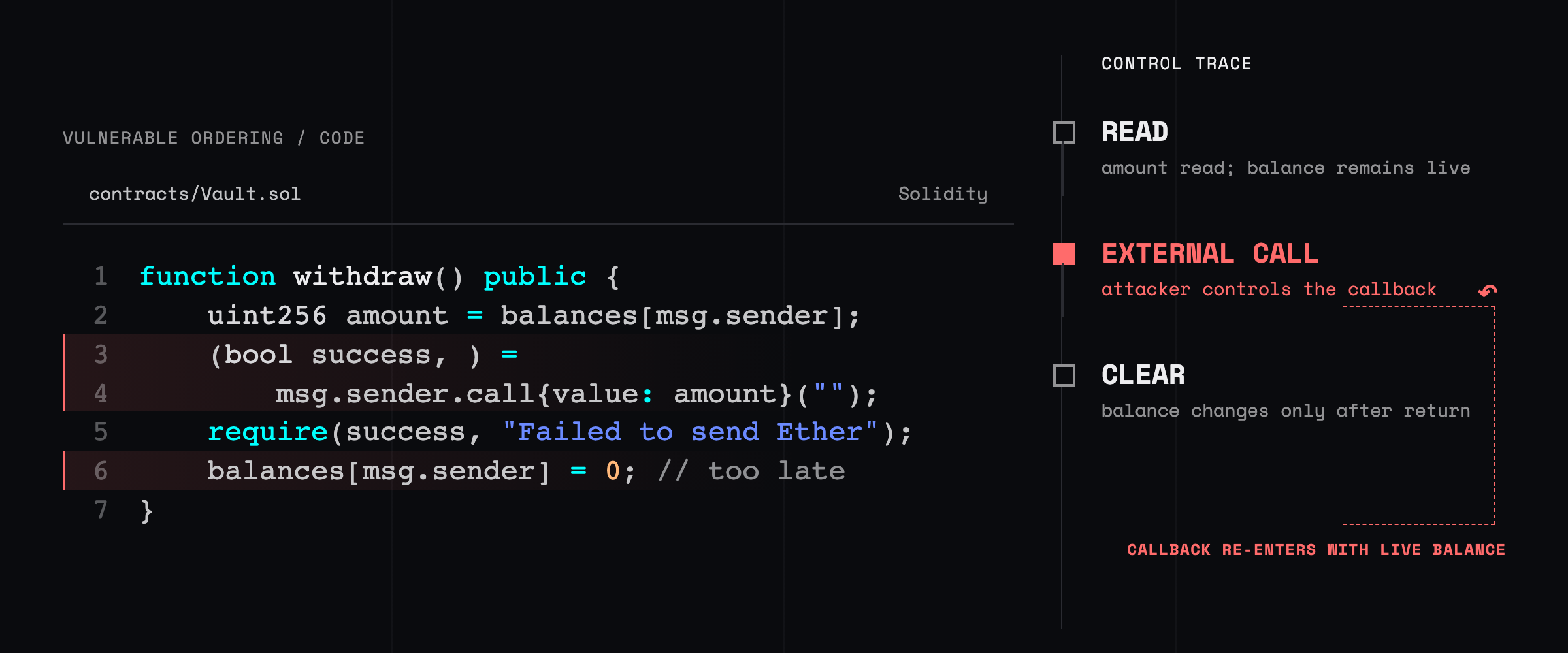
This guide provides a comprehensive analysis of reentrancy vulnerabilities with examples. Learn how reentrancy works and how to identify it in real protocols.
Research
Articles and research reports from the team.
Latest articles
From the engineers who build Wake and run the audits.
This guide provides a comprehensive analysis of reentrancy vulnerabilities with examples. Learn how reentrancy works and how to identify it in real protocols.
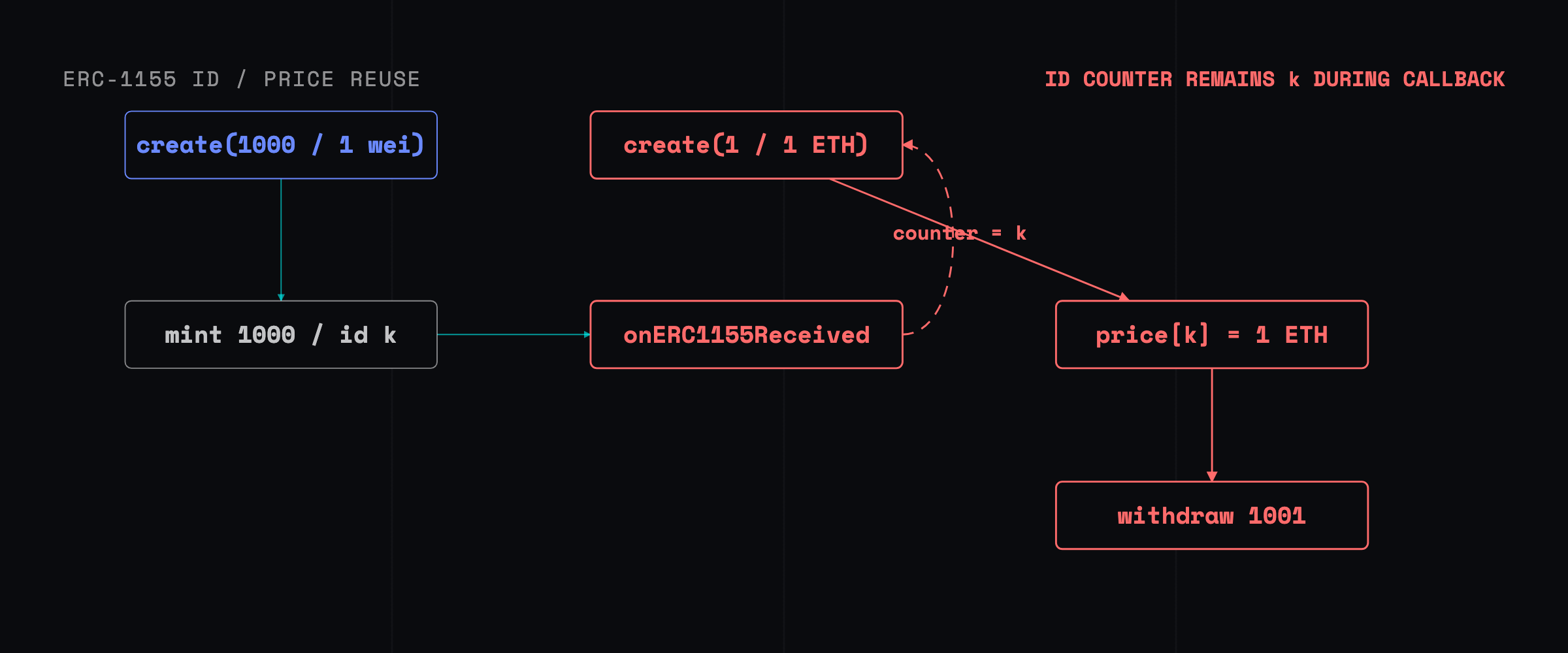
Learn how attackers can exploit reentrancy vulnerabilities in ERC-1155 implementations to drain vault contracts, with an example real-world attack scenario.
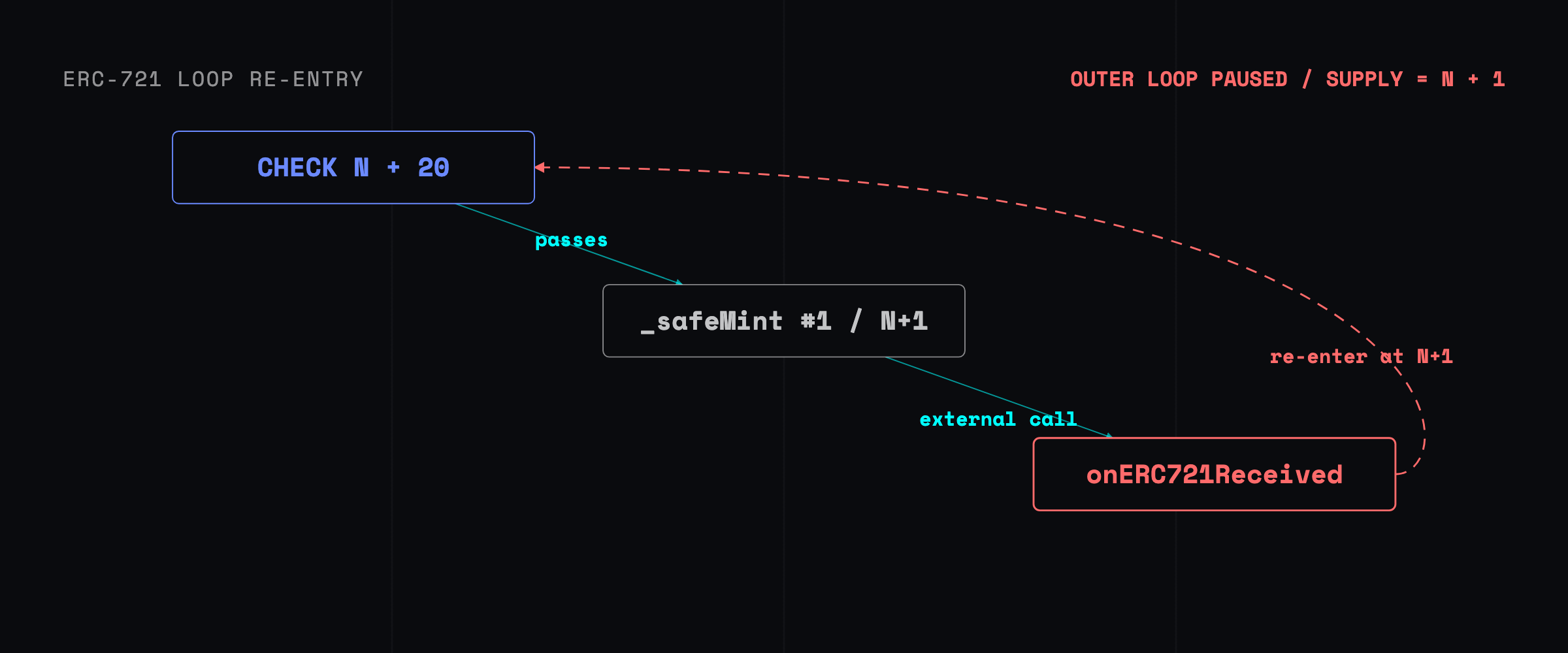
In this article, we'll examine how attackers can manipulate the _safeMint function's external call to bypass minting limits and drain NFT collections.
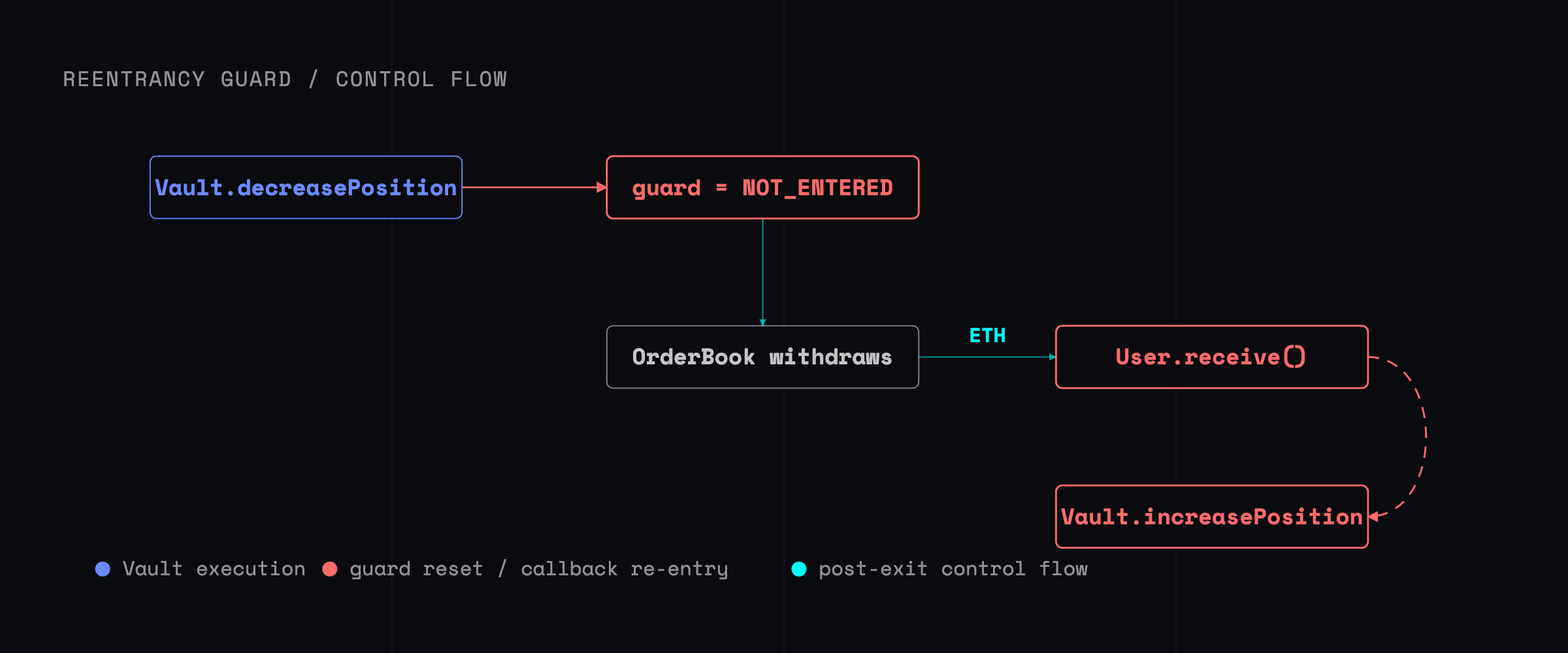
This analysis examines the 42M attack on the GMX protocol. We provide details of the vulnerability with a working reproduction of the attack scenario.
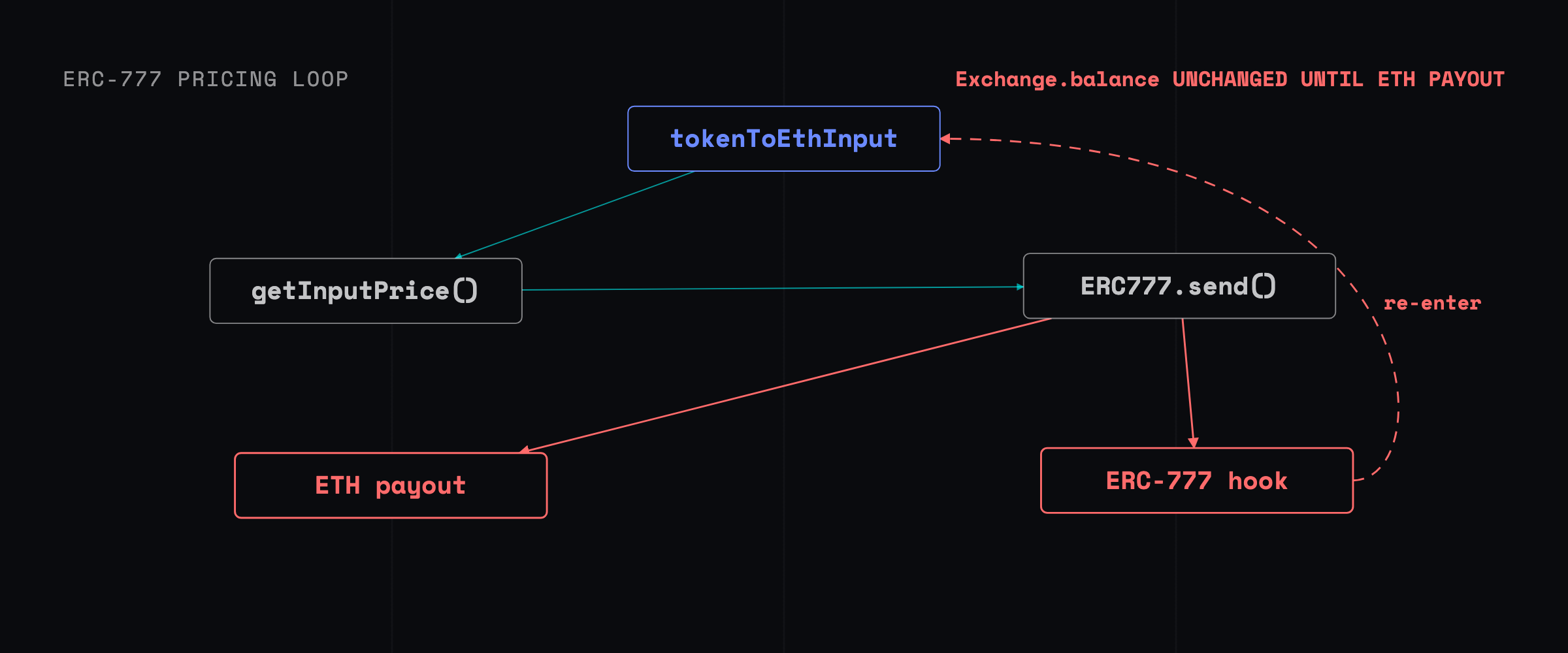
In this blog, we describe reentrancy attacks in the ERC-777 standard. ERC-777 is a standard for fungible tokens with a hook for transferring – learn more here.
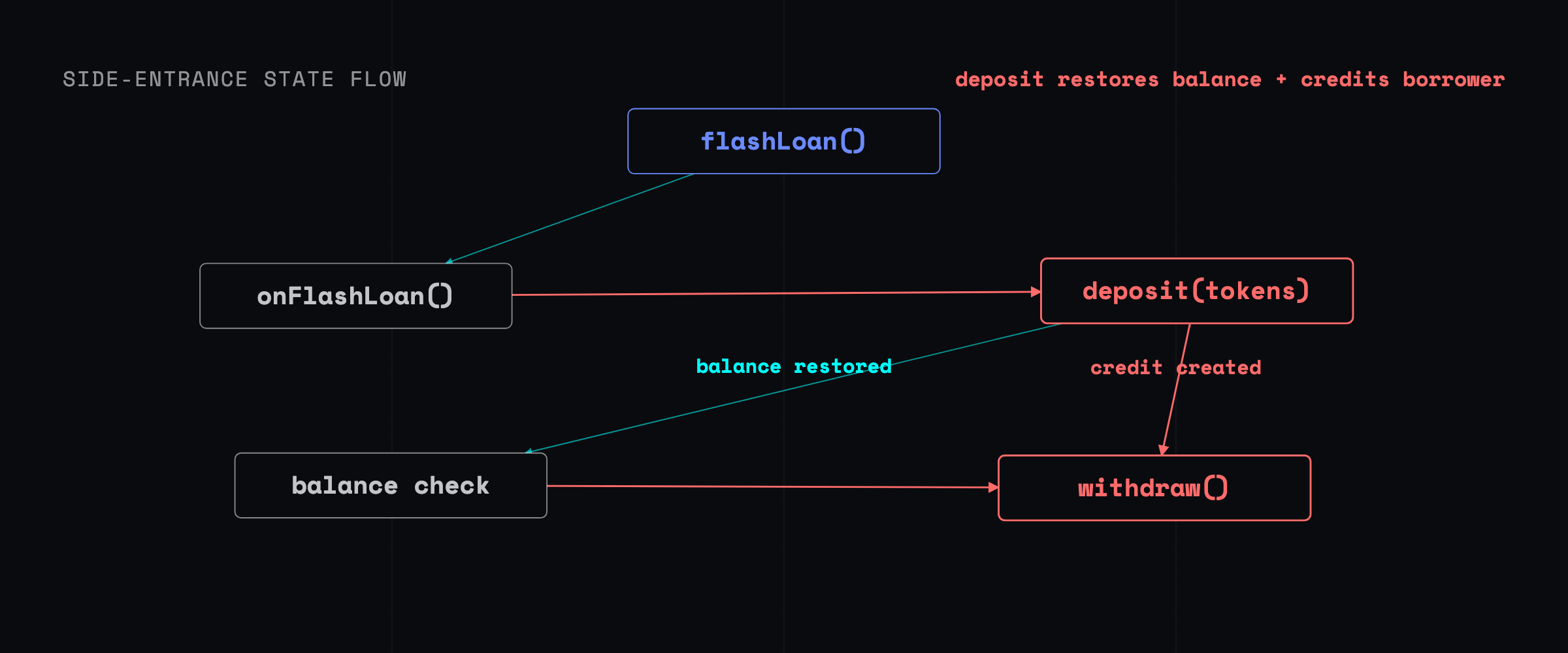
Flash loans enable borrowing without collateral and repaying within a single transaction. While effective, they also introduce security risks – learn more here.
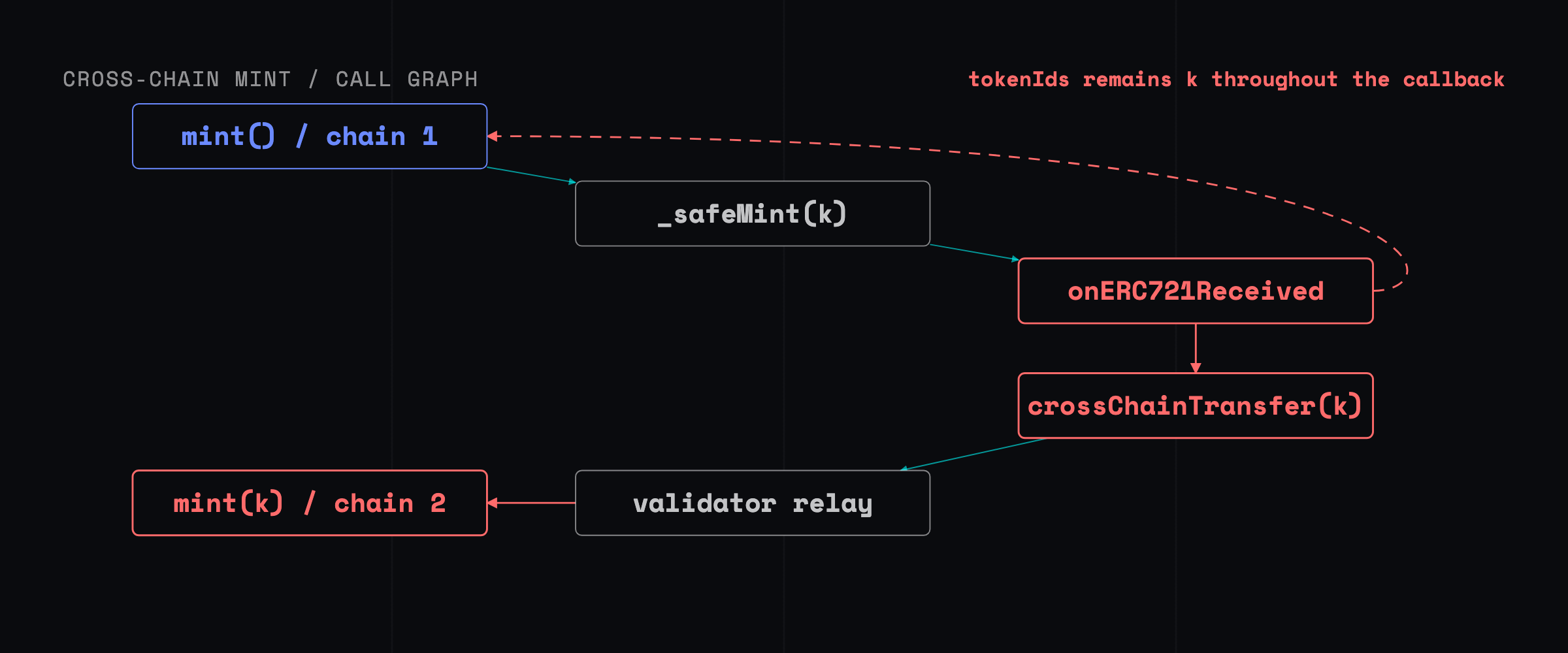
A cross-chain reentrancy attack is an exploit that targets smart contract function calls. Learn about this vulnerability to keep your code safe from attackers.
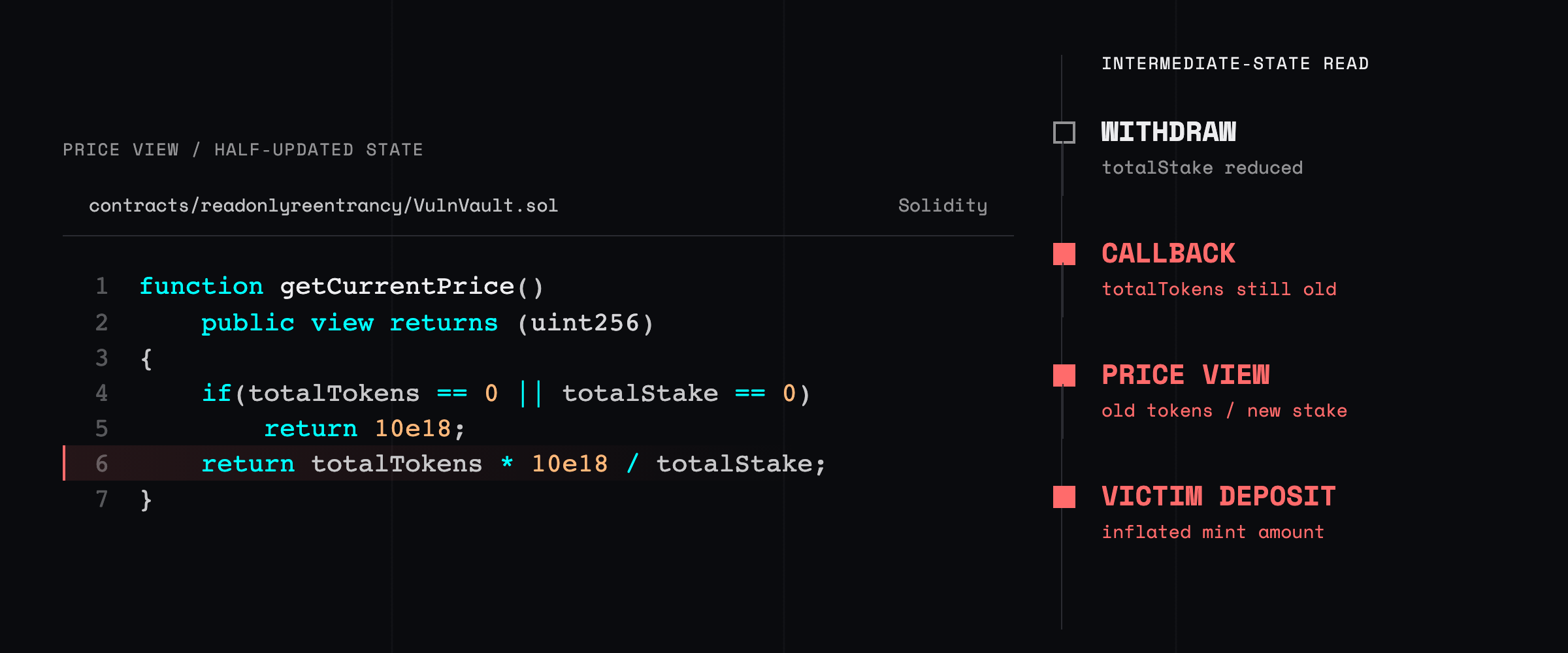
A read-only reentrancy attack manipulate a smart contracts to extract value. Let's take a closer look at this vulnerability and how to prevent it.