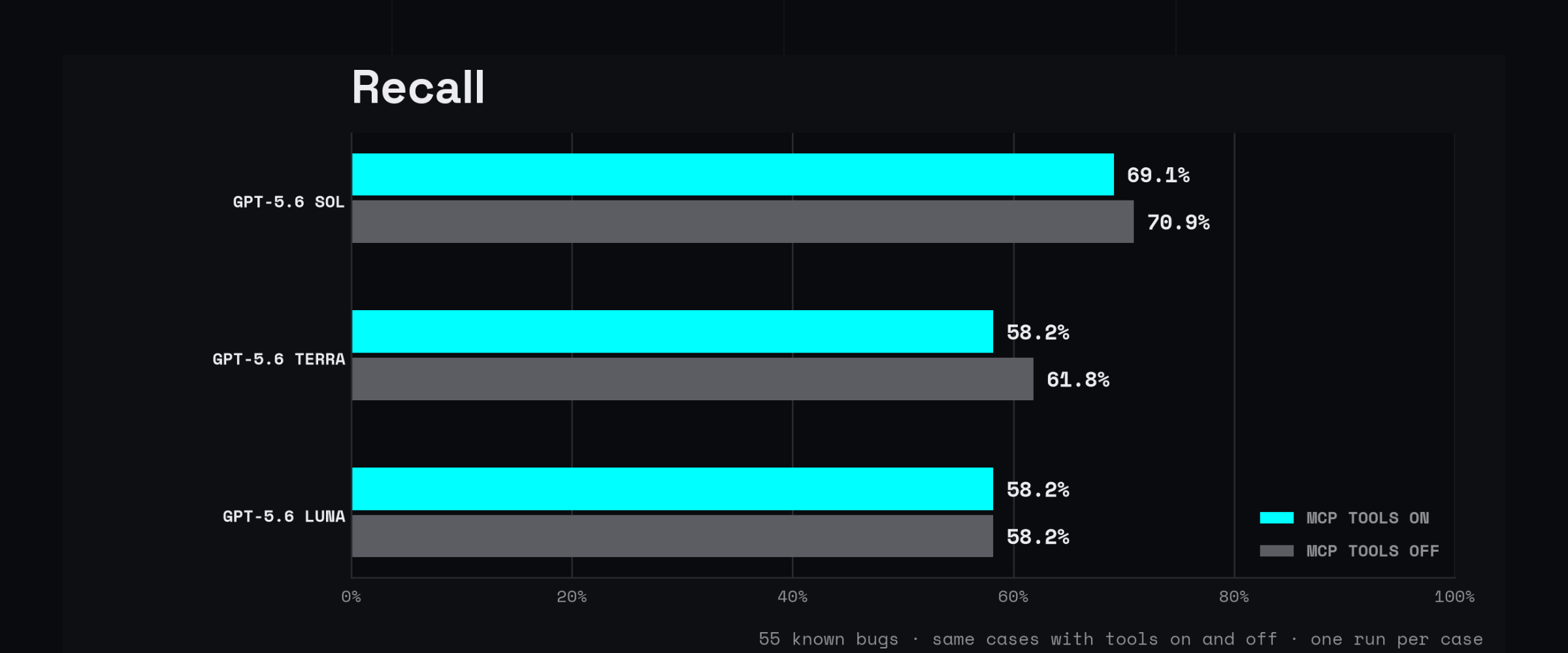
Can deterministic static-analysis MCP tools improve audit results from non-deterministic AI? Three GPT-5.6 models reviewed the same Go codebase with and without them.
Glossary definition
Automated smart contract analysis uses static or dynamic tools to surface suspicious code, violated properties, execution behavior, and coverage gaps.
Tool-based analysis is the analysis of computer programs using various tools. In smart contract security, many tools can help find common and known vulnerabilities.
We distinguish between static and dynamic code analysis. Static analysis is performed without executing the contract, whereas dynamic analysis identifies defects while running the contracts.
Tools we use when auditing EVM smart contracts written in Solidity include:
Wake is the actively developed successor to the framework originally named Woke.
Used in context
Can deterministic static-analysis MCP tools improve audit results from non-deterministic AI? Three GPT-5.6 models reviewed the same Go codebase with and without them.
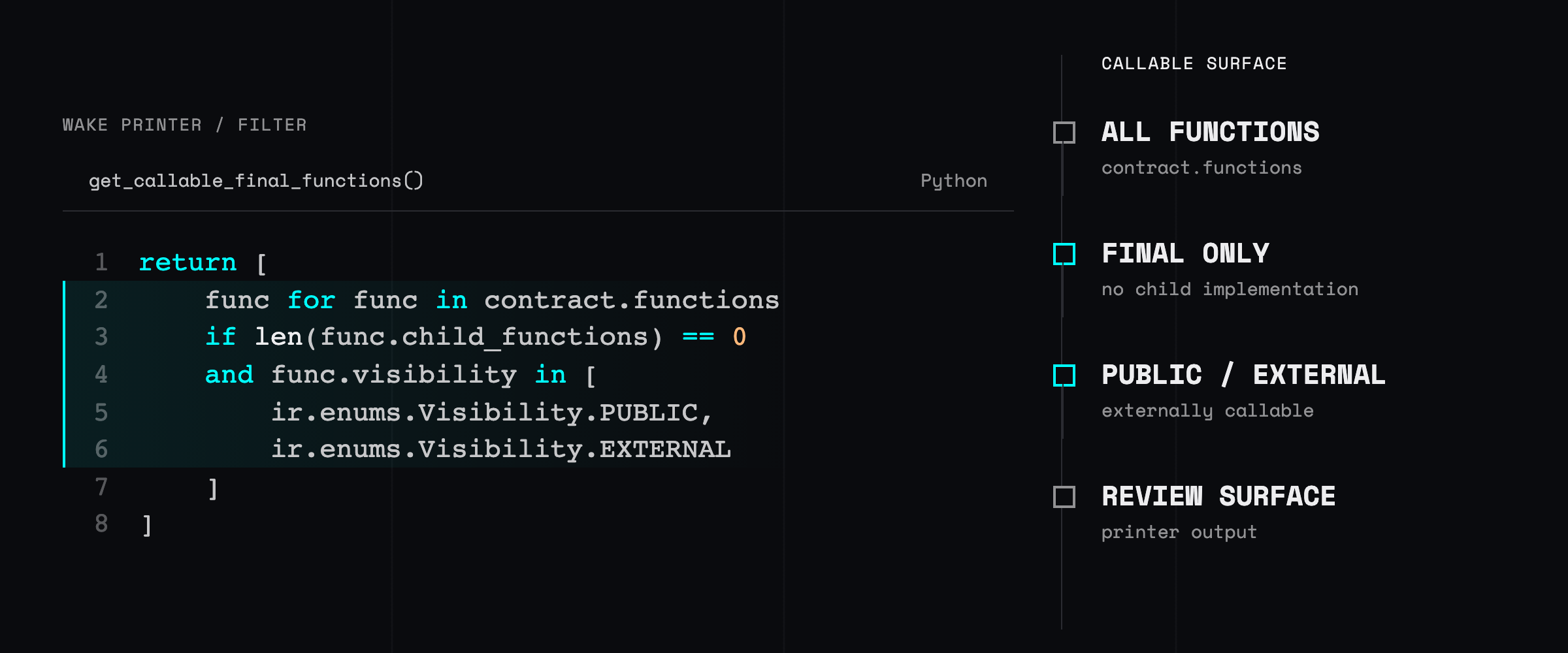
Learn how to build custom Wake printers for smart contract analysis, uncover vulnerabilities, and speed up Solidity security reviews.
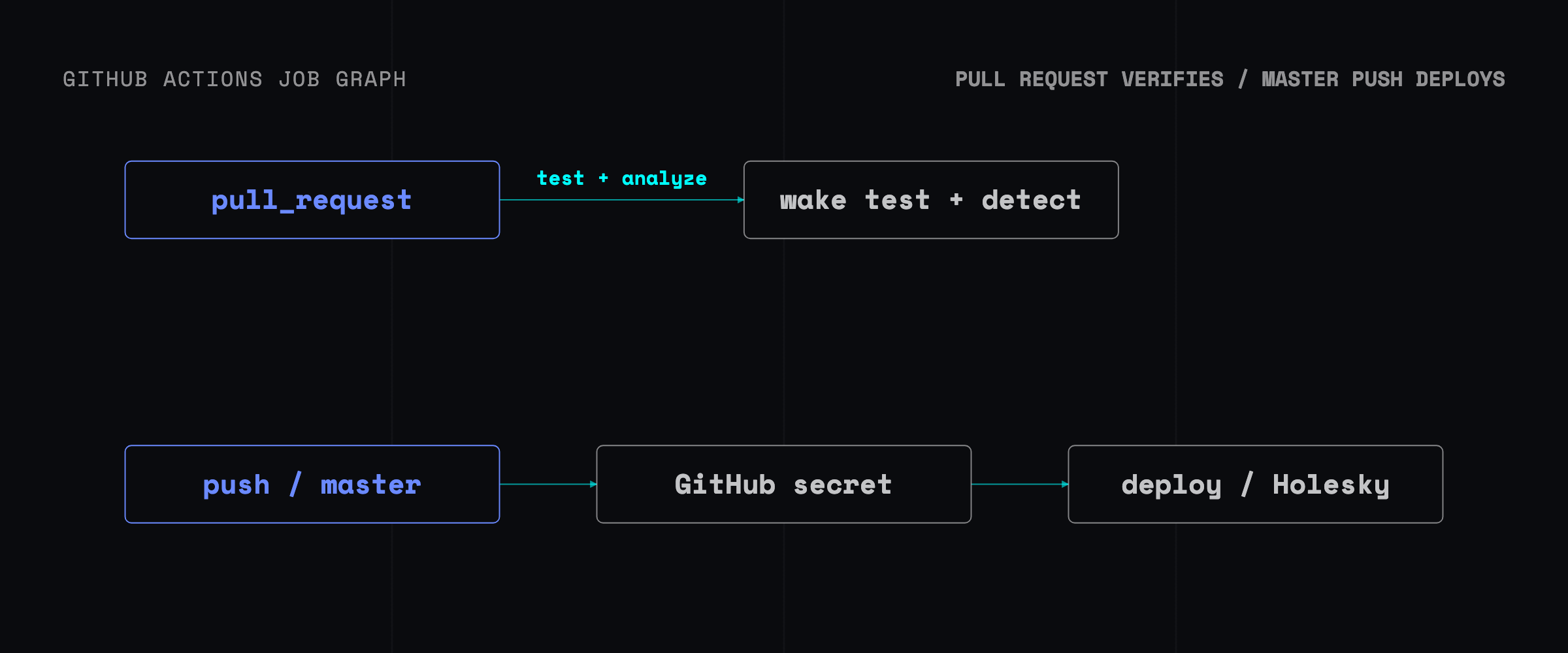
So you want to write and deploy a smart contract, huh? Let’s set up this environment for a sample project from scratch
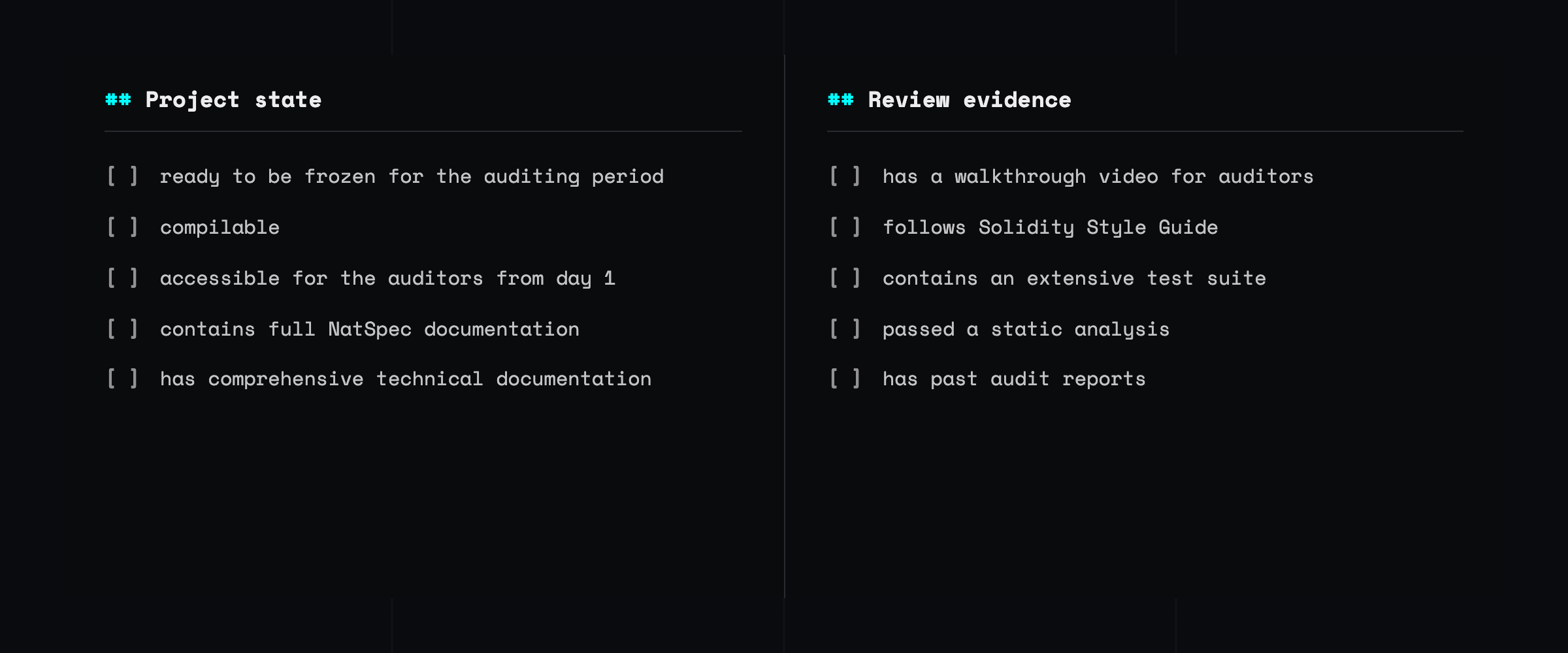
How to prepare for a smart contract audit The pre-audit part is essential for a smooth audit, and we will now guide you through it.
Building projects on top of cross-chain solutions may lead to security issues in the code. Open-source tools can automatically detect many issues or help test the…