
Build Station runs October 3 to 7 in Prague: five days from idea to shipped Solana project for Czech and Slovak builders, on the road to Colosseum. ack3 is a partner.
Glossary definition
A smart contract audit is an independent, scope-bound security review of blockchain code using manual analysis, testing, tooling, and documented findings.
A smart contract audit is a security review of blockchain code by independent researchers to identify vulnerabilities, logic errors, and potential exploits before deployment.
Audits combine manual and automated analysis. Manual review, where auditors examine code line by line, makes up roughly 90% of the work. Automated analysis using static-analysis tools such as Wake helps surface common issues and code-quality problems, but cannot replace human judgment for complex logic and protocol-specific risks.
During an audit, security researchers typically:
Audit findings are classified by severity, from informational notes to critical vulnerabilities that require immediate fixes. The final report documents all issues found, their potential impact, and recommended fixes.
ack3 researchers have performed security audits for protocols including Lido, Safe, and Axelar. Our reports classify findings into six severity levels: Informational, Warning, Low, Medium, High, and Critical. Read the public audit reports.
Used in context
Build Station runs October 3 to 7 in Prague: five days from idea to shipped Solana project for Czech and Slovak builders, on the road to Colosseum. ack3 is a partner.
Which frontier model audits EVM code best, where coding agents get fuzz tests wrong, and running a security company without Google Workspace: ack3's talks in Mumbai.

ack3 is verified under OpenAI's Trusted Access for Cyber and holds Daybreak Blue access. What the program is, and why verified access to OpenAI's cyber models matters.

Monad's Metropolis hackathon runs six weeks from September 1. ack3's part: an AI scan for every finalist project and a mentor through the build window.
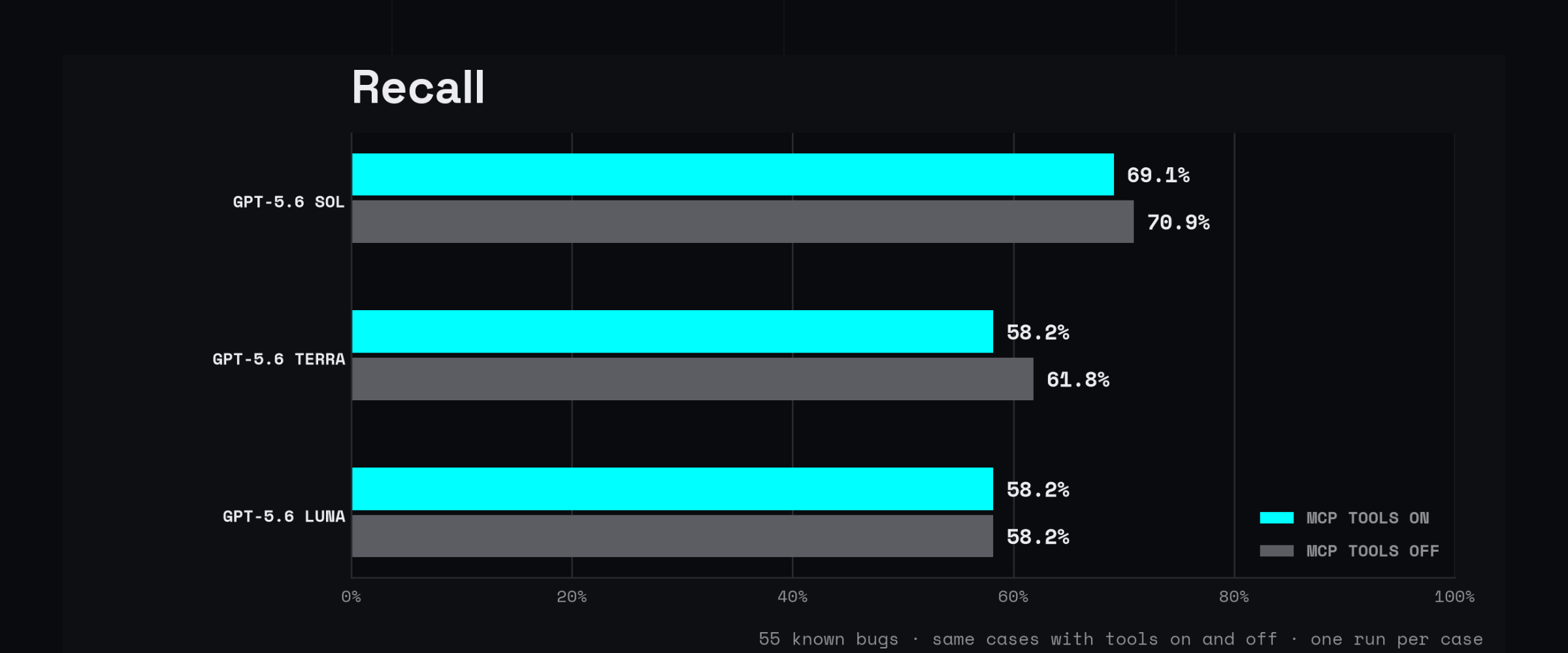
Can deterministic static-analysis MCP tools improve audit results from non-deterministic AI? Three GPT-5.6 models reviewed the same Go codebase with and without them.
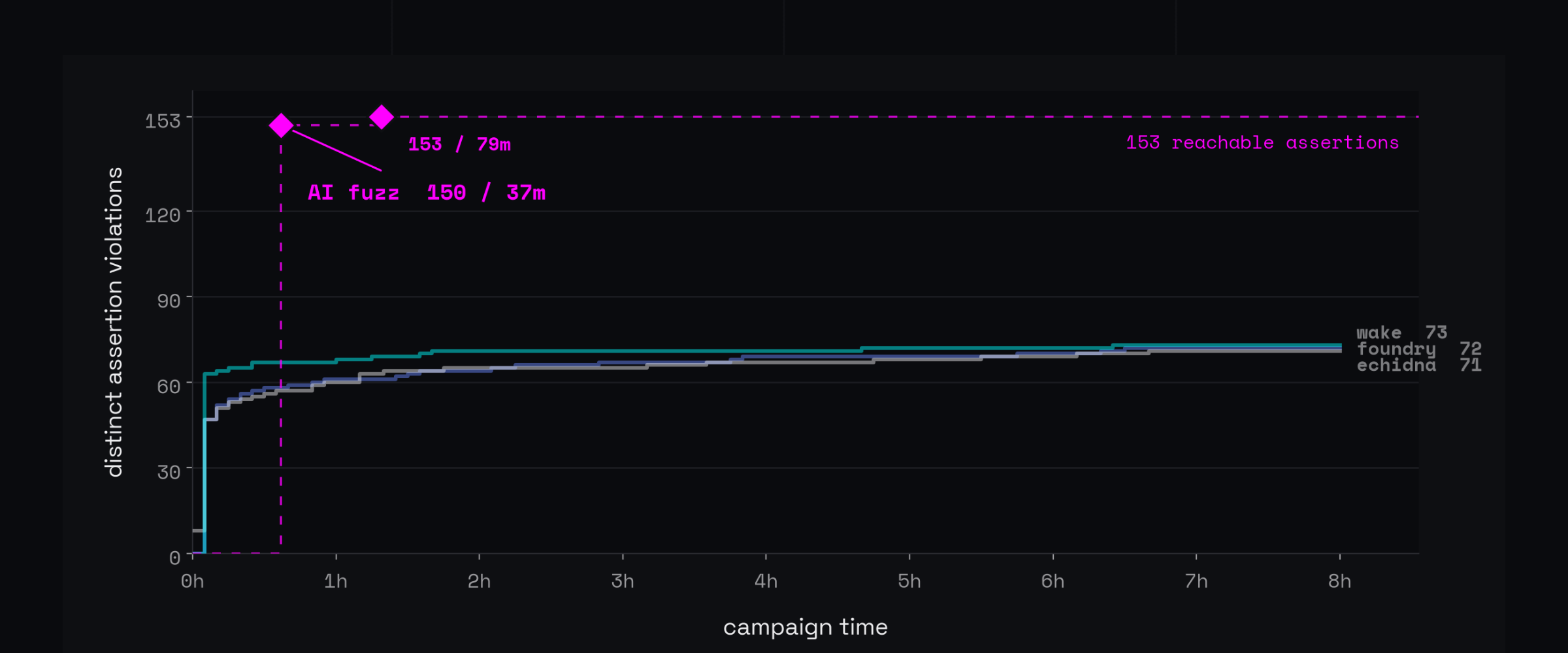
Three EVM fuzzers ran eight hours per maze against 153 reachable Daedaluzz assertions; an agent-written harness ran once. The deciding variable was not speed.

Sherlock launched the Audit Engine with ack3 among its AI auditors. What the engine is, and where else the ack3 AI scan runs.
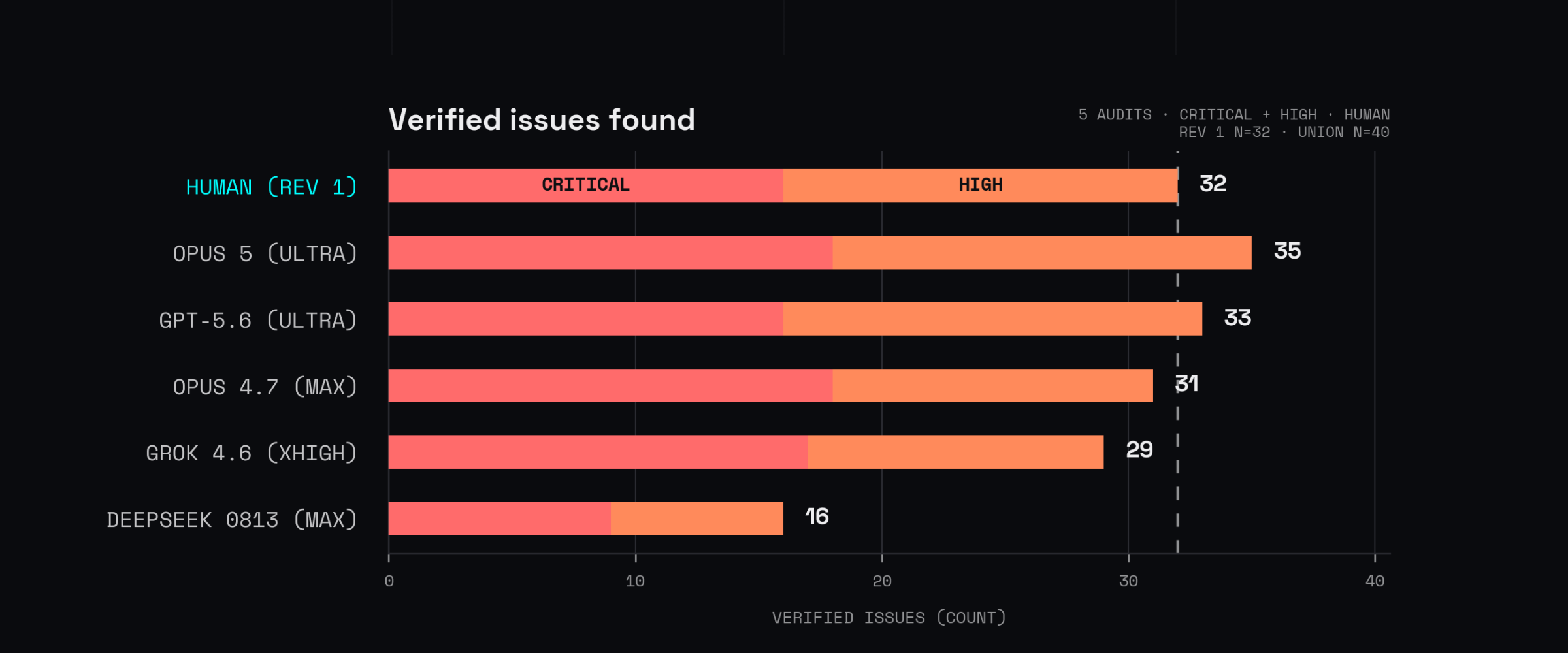
How good are frontier models at finding real vulnerabilities? Nine models measured against human auditors on five audits that never appeared in training data.
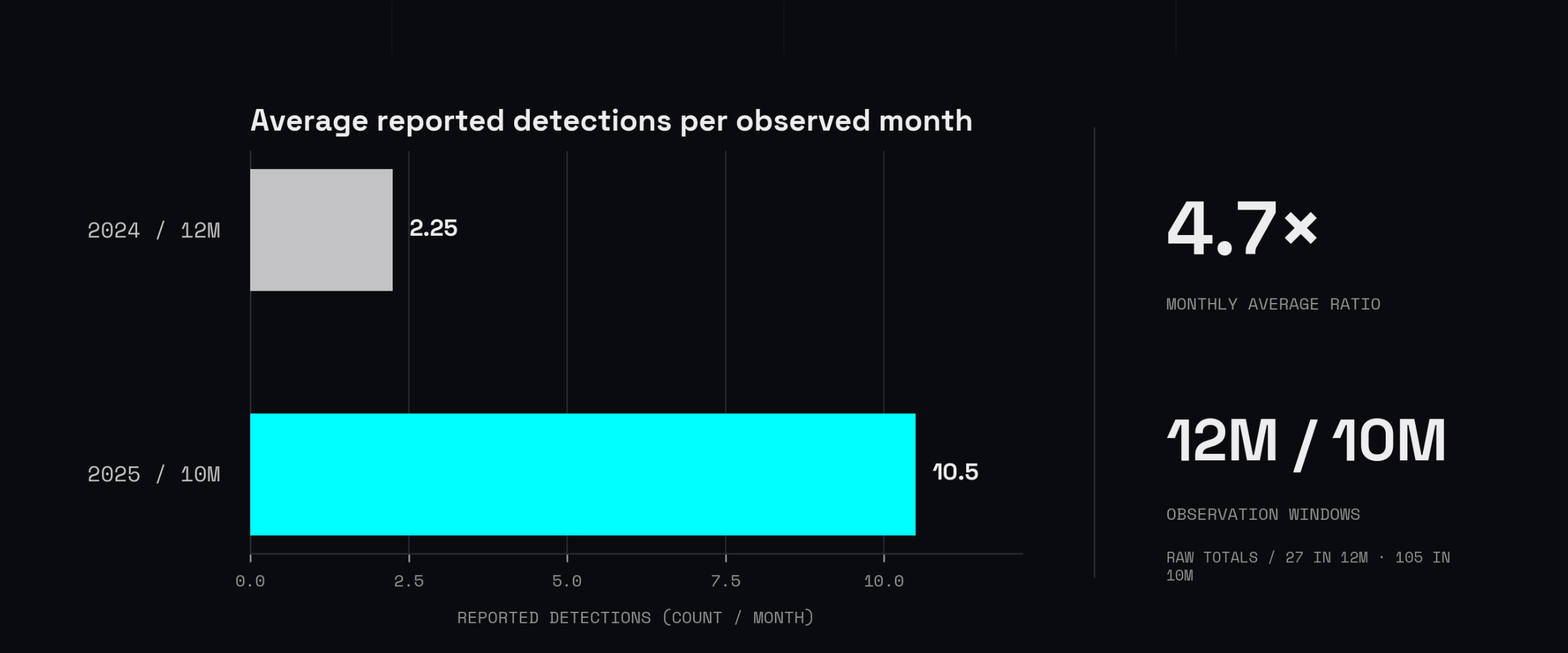
VS Code extensions run with your permissions while installs and badges are weak trust signals. Learn how to audit, pin, allowlist, and contain them.
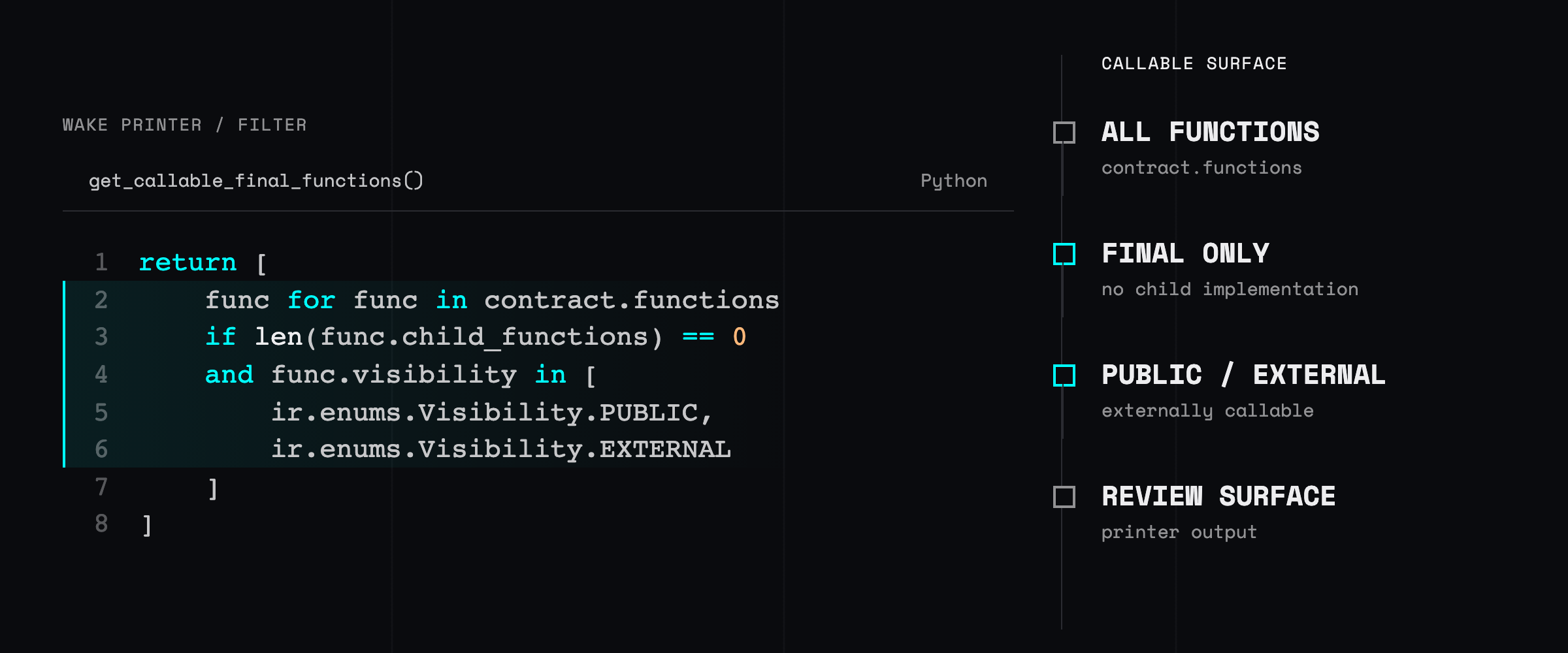
Learn how to build custom Wake printers for smart contract analysis, uncover vulnerabilities, and speed up Solidity security reviews.
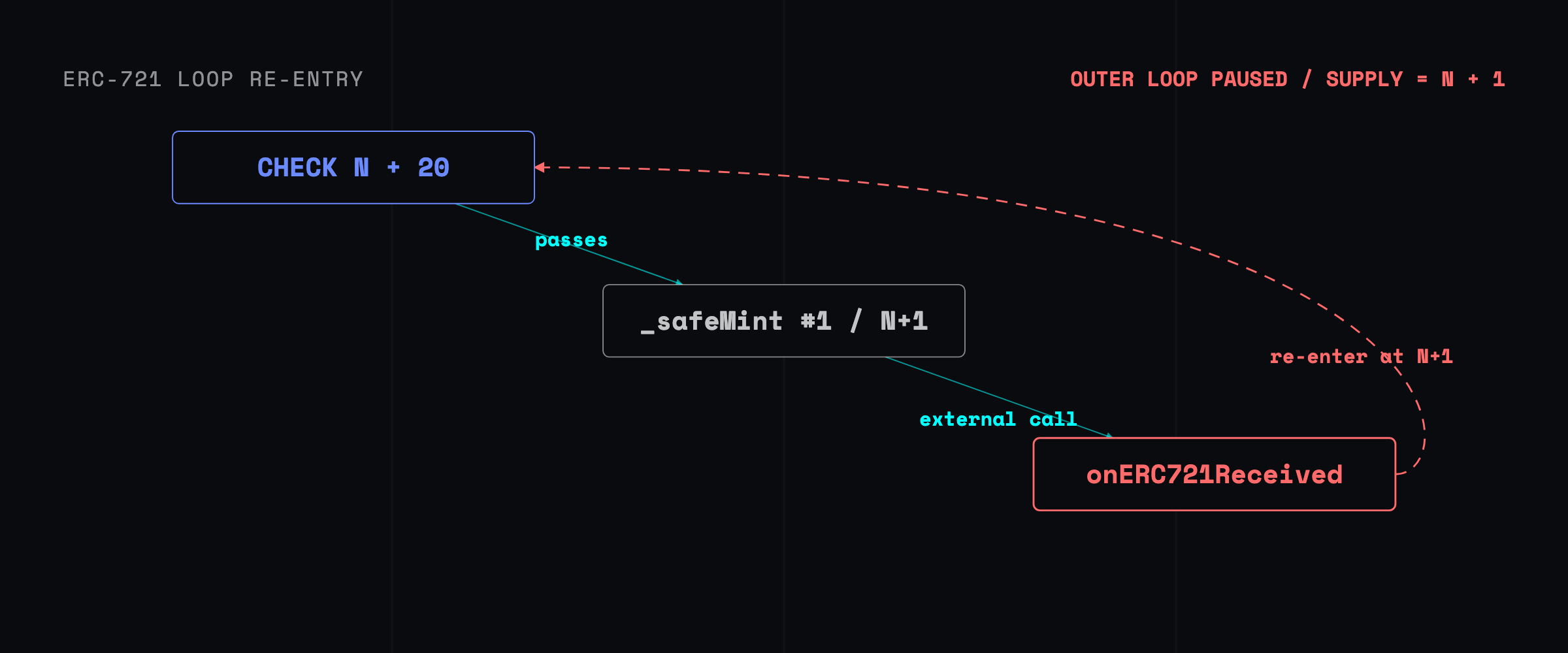
In this article, we'll examine how attackers can manipulate the _safeMint function's external call to bypass minting limits and drain NFT collections.
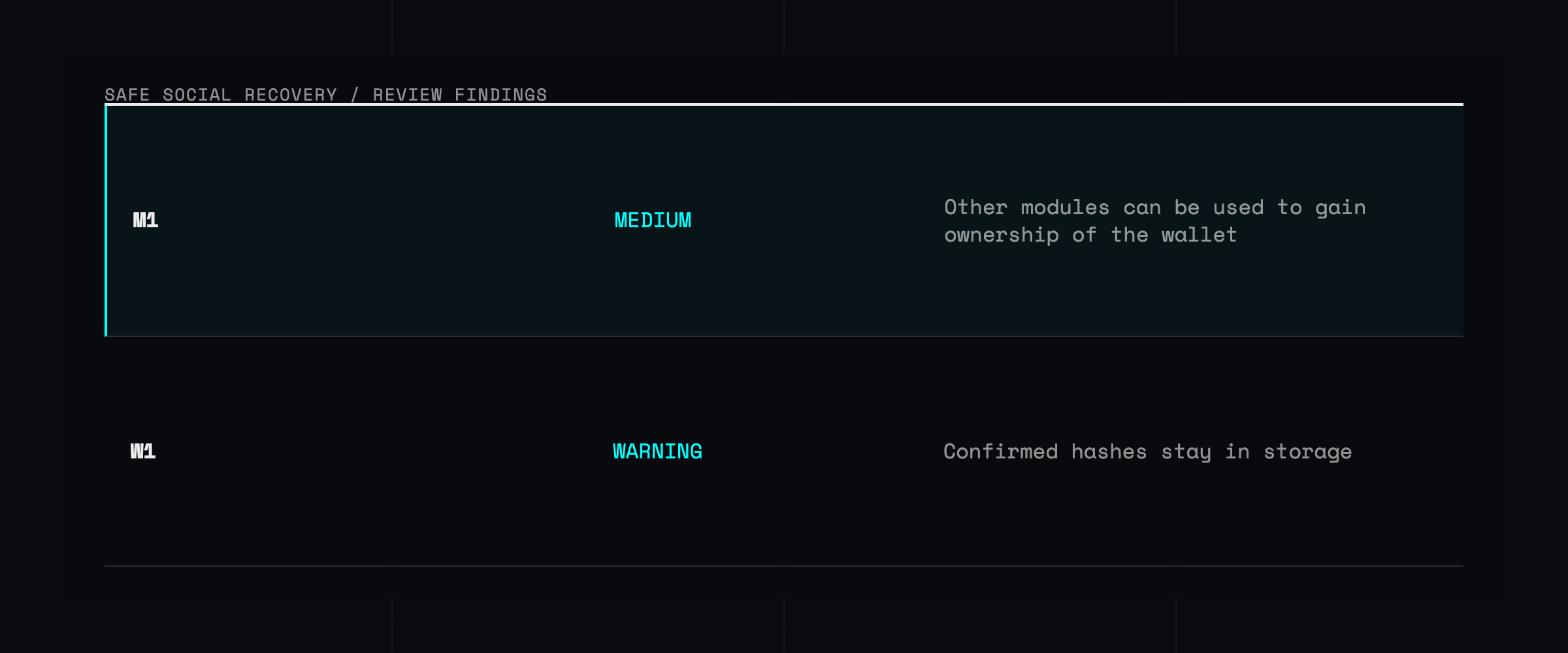
Safe Smart Accounts are the most audited and battle-tested smart contracts on Ethereum securing over $100 billion in assets. The Safe Social Recovery Module is a…
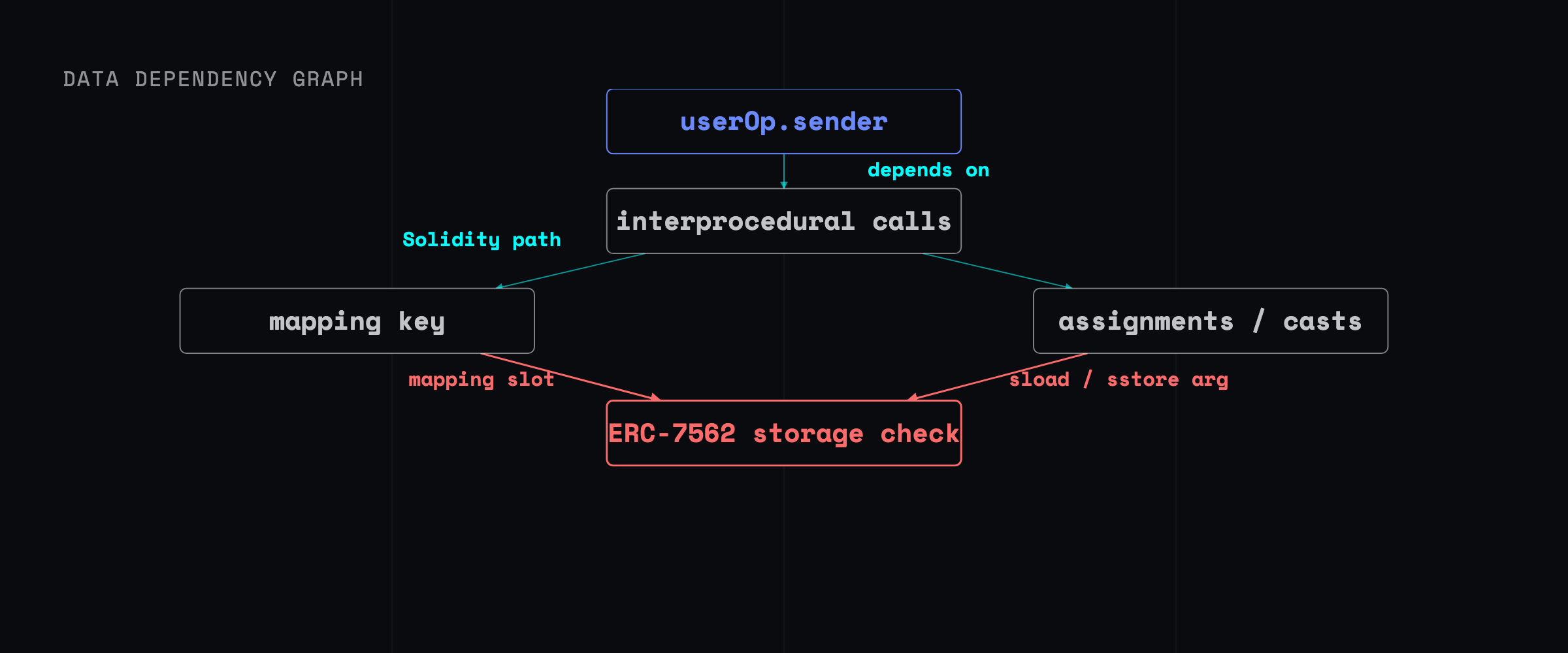
Ackee is finalizing an ERC-4337 detector to identify the use of forbidden opcodes and storage access, turning a very labor-intensive manual review into an automated…
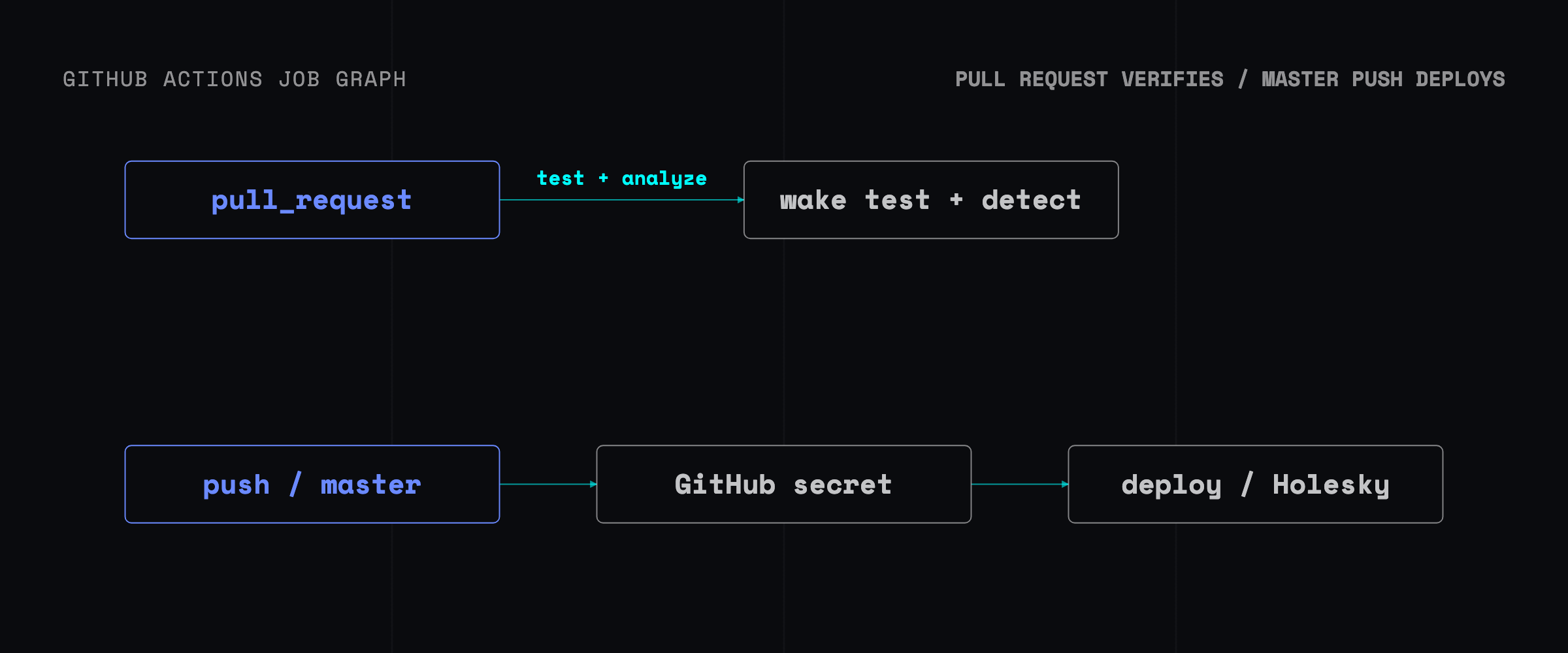
So you want to write and deploy a smart contract, huh? Let’s set up this environment for a sample project from scratch
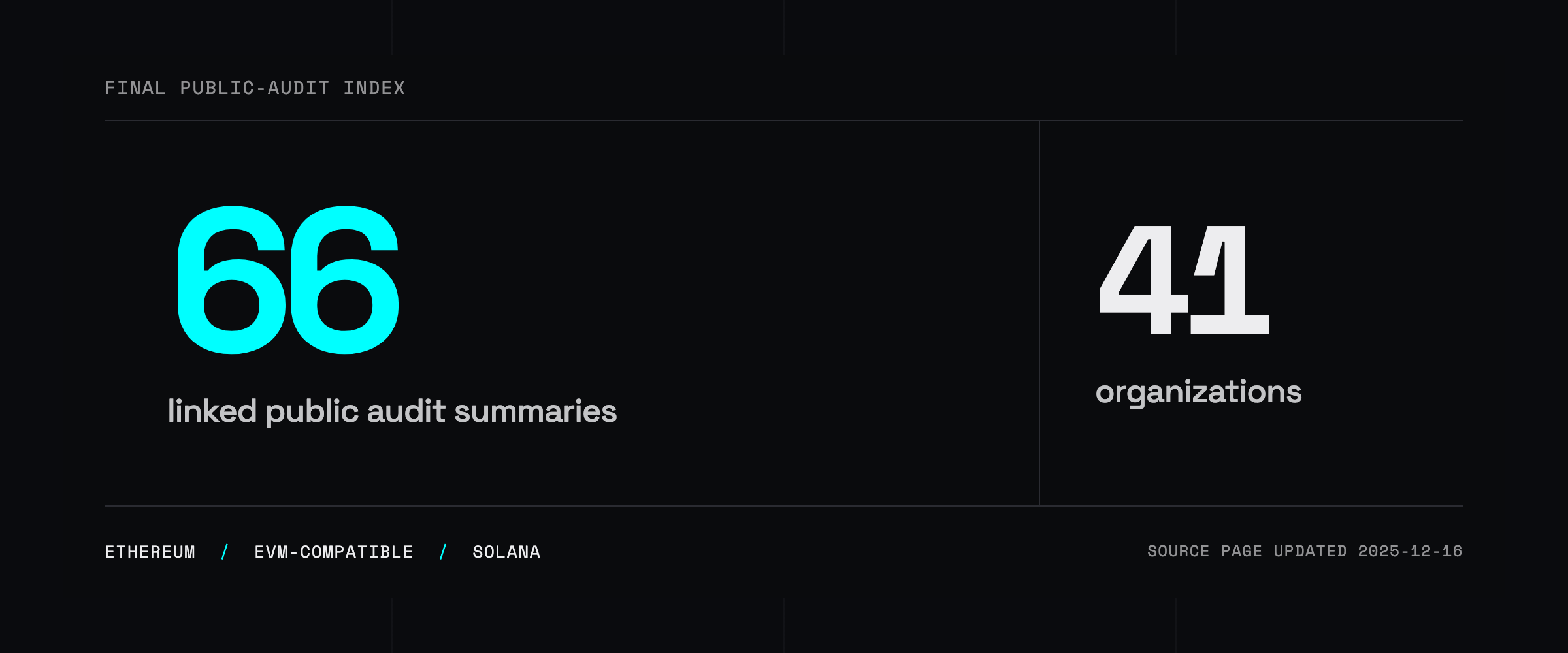
An archived index of Ackee Blockchain public Ethereum, EVM, and Solana audit summaries, covering 41 organizations and 66 linked entries.
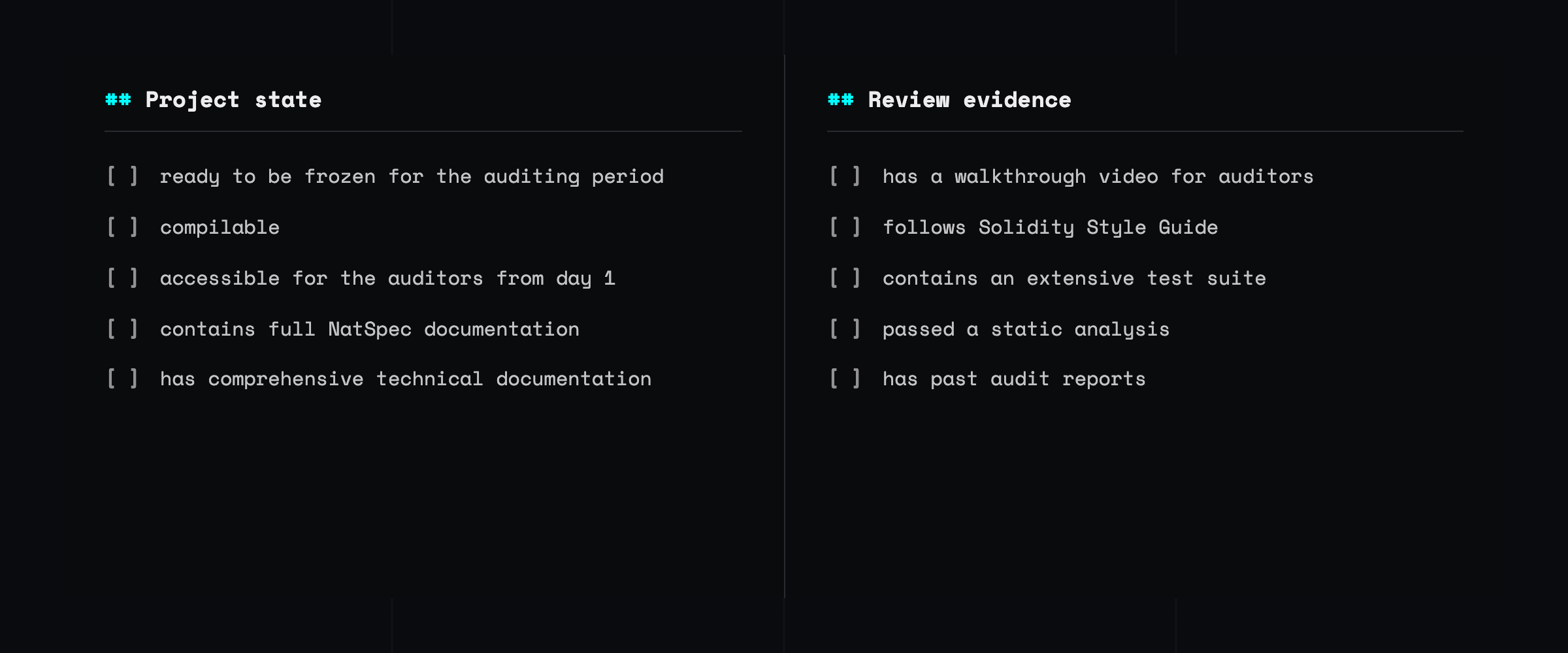
How to prepare for a smart contract audit The pre-audit part is essential for a smooth audit, and we will now guide you through it.
Building projects on top of cross-chain solutions may lead to security issues in the code. Open-source tools can automatically detect many issues or help test the…